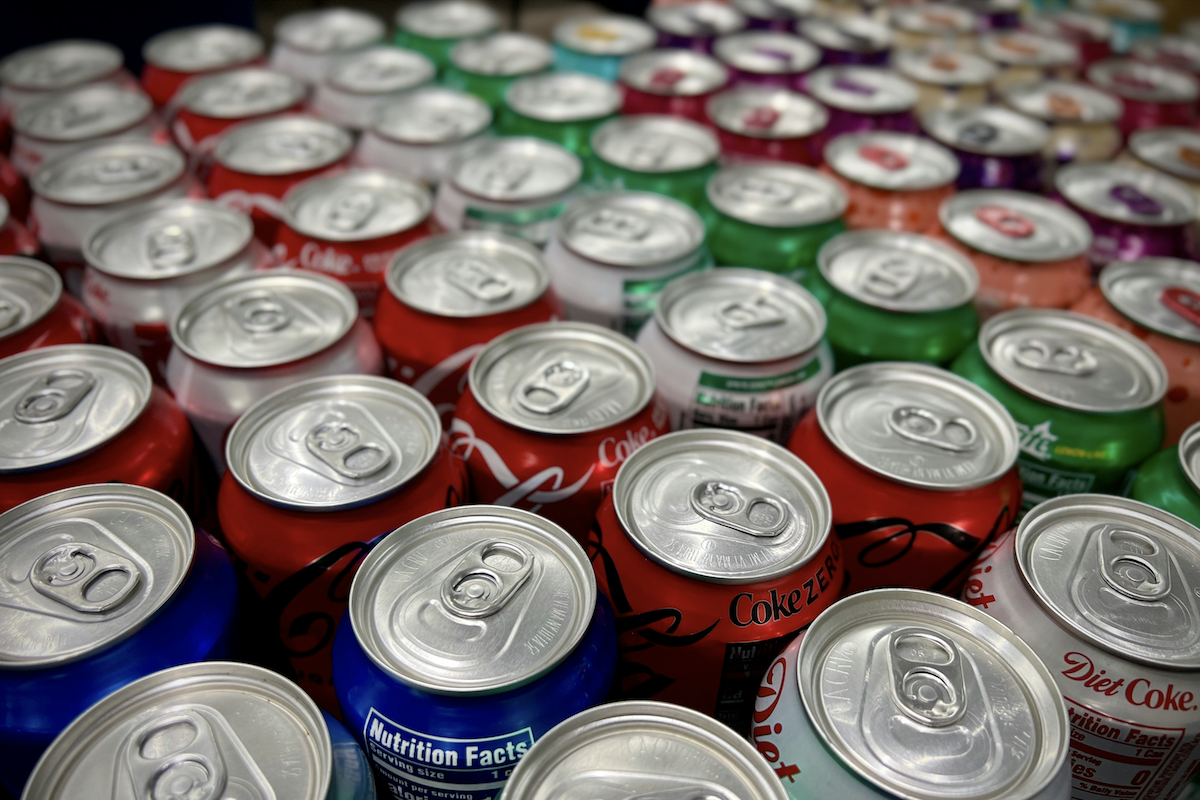
Reducing the amount of sugar that we consume on a daily basis is a current imperative of the UK government – just recently price or multibuy promotions on unhealthy foods and drinks have been banned in England.
On the beverage front, this action may sway more people towards diet drinks; a similar taste without the threat of too much sugar to their teeth. However, a new study found that low or non-sugar-sweetened beverages increase the risk of non-alcoholic fatty liver disease (NAFLD).
Taking place over a decade, the study gathered 103,000 participants and monitored their consumption of both sugar-sweetened and low or non-sugar-sweetened beverages. It then assessed each person’s liver fat content.
After 10 years, 949 participants had developed liver disease and 103 had died from liver-related causes. It was found that drinking more than one can of any type of soda on a daily basis is linked to liver problems, but low or non-sugar-sweetened beverages carry a higher risk compared to their sugary originals (60% greater risk versus 50%). Already, another poll found that 40% of respondents consume a fizzy drink every day – highlighting the risks that diet drinks can pose is essential.
This presents a unique challenge for dental health: on the one hand, encouraging diet drinks better protects the teeth from decay, but on the other it can have a greater impact on systemic health by increasing the risk of liver disease. One of the side effects of this can be xerostomia, which makes the mouth more vulnerable to oral disease.
It should also be noted that low or non-sugar-sweetened are still highly acidic and can cause dental erosion to the same extent as their sweetened counterparts – the consensus that diet drinks are healthier than the originals is not concrete.
By cutting down on all fizzy drinks, sugary or diet, the risk of tooth decay and liver disease can be collectively reduced. When such a drink is consumed in moderation, using a straw and having a rinse with water afterwards can further protect the teeth from decay and erosion.
As the country shifts consumption habits away from sugary foods and drinks, it is always important to assess the broader health impacts that diet alternatives can cause.
>Since you’re here, why not read about the oral bacteria linked to heart attacks?
Main image credit: Unsplash