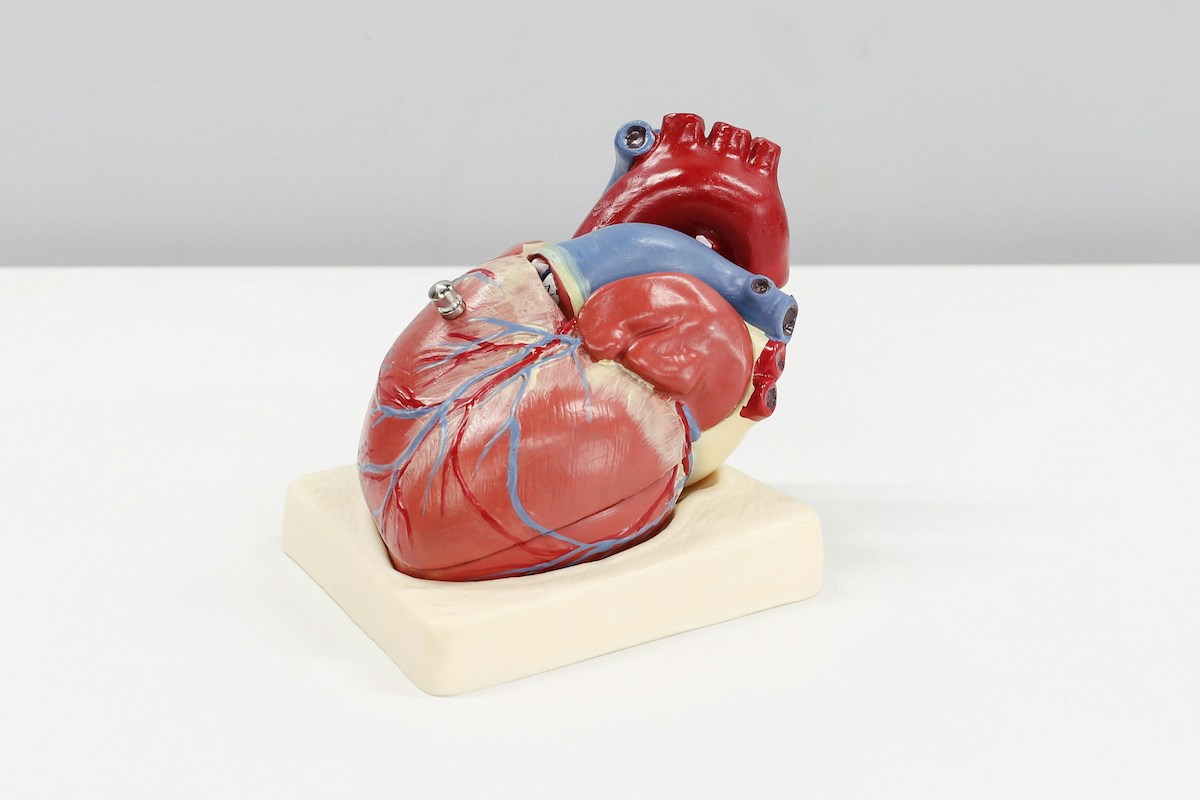
While smoking, diet, physical activity, and a few other factors are well-recognised contributors to cardiovascular disease, deeper research indicates that there are various other less-obvious considerations that also play a role in determining long-term heart health.
From systemic to behavioural influence and more, there are a vast number of considerations that people must be aware of to support their health.
Chronic inflammation
Low-level but persistent inflammation is now recognised as a primary cause of many chronic conditions, including cardiovascular disease. As explained by Rest Less, inflammation within the vascular system can contribute to endothelial dysfunction and the gradual development of atherosclerosis, where plaque accumulates along arterial walls. Over time, elasticity and blood flow are reduced, increasing the risk of heart attack and stroke.
Stress
The physiological effects of chronic stress extend beyond mental wellbeing, often unbeknown to most. Raised cortisol levels can lead to increased blood pressure which may disturb the body’s regular inflammatory response. Stress is of course closely linked to behavioural changes too, such as poorer dietary choices and disrupted routines, which can each affect cardiovascular health.
Sleep quality
Sleep is another factor that plays a critical role in regulating multiple systems throughout the body. Poor and inconsistent sleep have been linked to elevated blood pressure and heart rates as well as increased inflammation.
Loneliness and social isolation
Social contributors are increasingly being linked with well-being, with research associating it with cardiovascular health. One 2018 study evidences that the systemic effects of social isolation and loneliness on mortality are similar to smoking 15 cigarettes per day and the consumption of 6 alcoholic drinks per day.
Oral health
Oral health establishes a wider systemic perspective. Poor oral hygiene, and subsequent inadequate plaque control can cause gingival and periodontal inflammation. This impacts long-term oral health, whilst also creating a pathway for oral bacteria to enter the bloodstream. Experts at the World Health Organization explain, “Most oral diseases and conditions share modifiable risk factors with leading noncommunicable diseases (including heart disease, diabetes, cancer, and chronic respiratory diseases).” While a specific causal relationship continues to be explored, the association between periodontal health and cardiovascular outcomes is well informed.
For dental professionals, this offers the unique opportunity to support systemic health in patients, whilst naturally assisting in long-term oral health.
Holistic health care
Collectively, these findings offer a new perspective on how cardiovascular health is understood and managed. Rather than a handful of minor, isolated factors, cardiovascular health is being growingly represented by the combination of multiple lifestyle choices and health influences. Recognition and early intervention can support patients across the board – ensuring long, healthy, and happy lives.
>Since you’re here, why not read about how your teeth might be making you lonely.
Main image credit: Unsplash