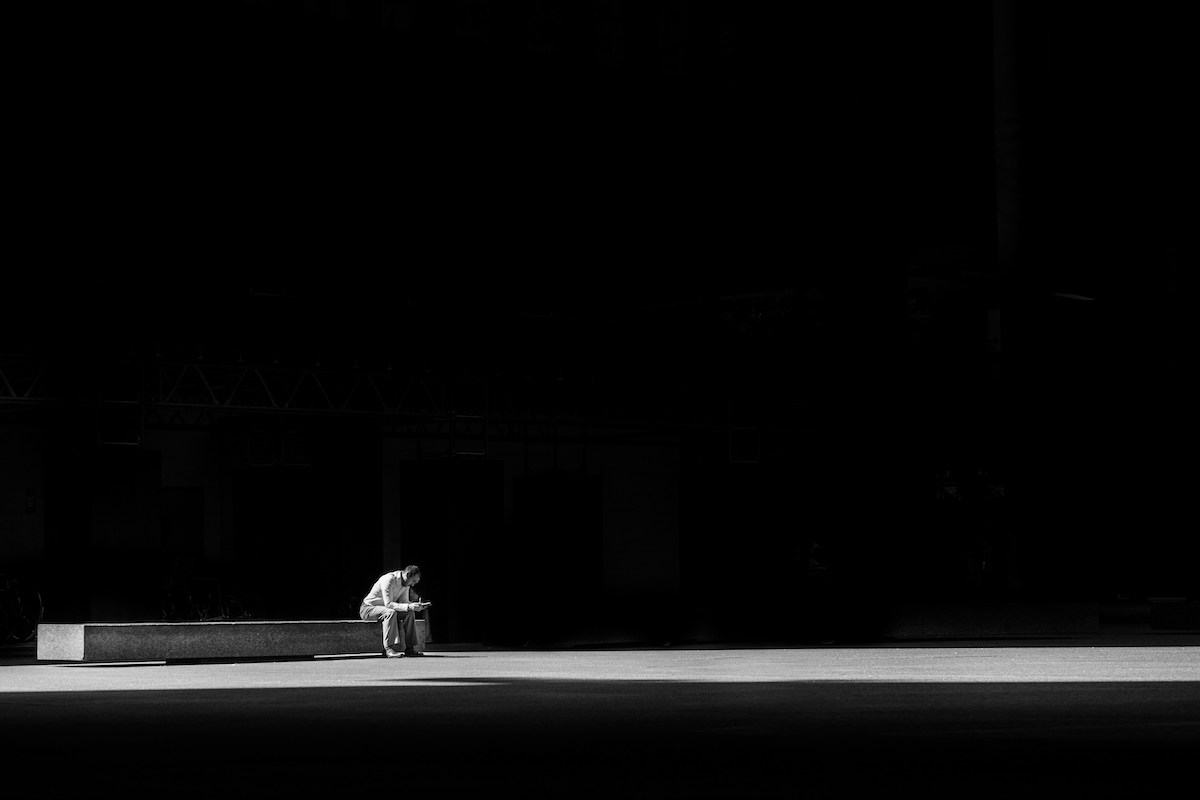
It sounds like the setup to a bleak joke, but the relationship between loneliness and oral health is increasingly well-evidenced. And it works in both directions.
The vicious cycle
Research has consistently shown that lonelier people are more likely to neglect their dental health. The reasons are fairly clear: when you’re socially withdrawn, the motivation to maintain daily routines – brushing, flossing, booking that overdue appointment – erodes. A 2024 study published in Frontiers in Public Health, drawing on national US health data from over 4,700 adults aged 50 and over, found that lonelier individuals had significantly higher odds of tooth loss and were more likely to have skipped a dental visit in the past two years.
But here’s where it gets interesting. The researchers also found the relationship runs the other way. Poor oral health can make people actively avoid social situations. Going out is stressful when smiling feels embarrassing. Gradually, people withdraw. A January 2026 study from Japan further identified loneliness as a significant mediating factor in the link between poor oral health quality of life and developing depression. In other words: bad teeth, fewer social interactions, lower mood. Round and round it goes.
The dental team
Dental professionals are in a surprisingly privileged position here. Regular check-ups offer consistent, non-judgmental contact, and may sometimes be the only health appointment a lonely patient reliably keeps.
Being alert to signs of social withdrawal, self-neglect, or a patient who seems to be struggling beyond their oral health could really make a meaningful difference. Just another way dentists can help.
>Since you’re here, why not read about how overprotective parenting can lead to a higher risk of oral disease?
Main image credit: Unsplash