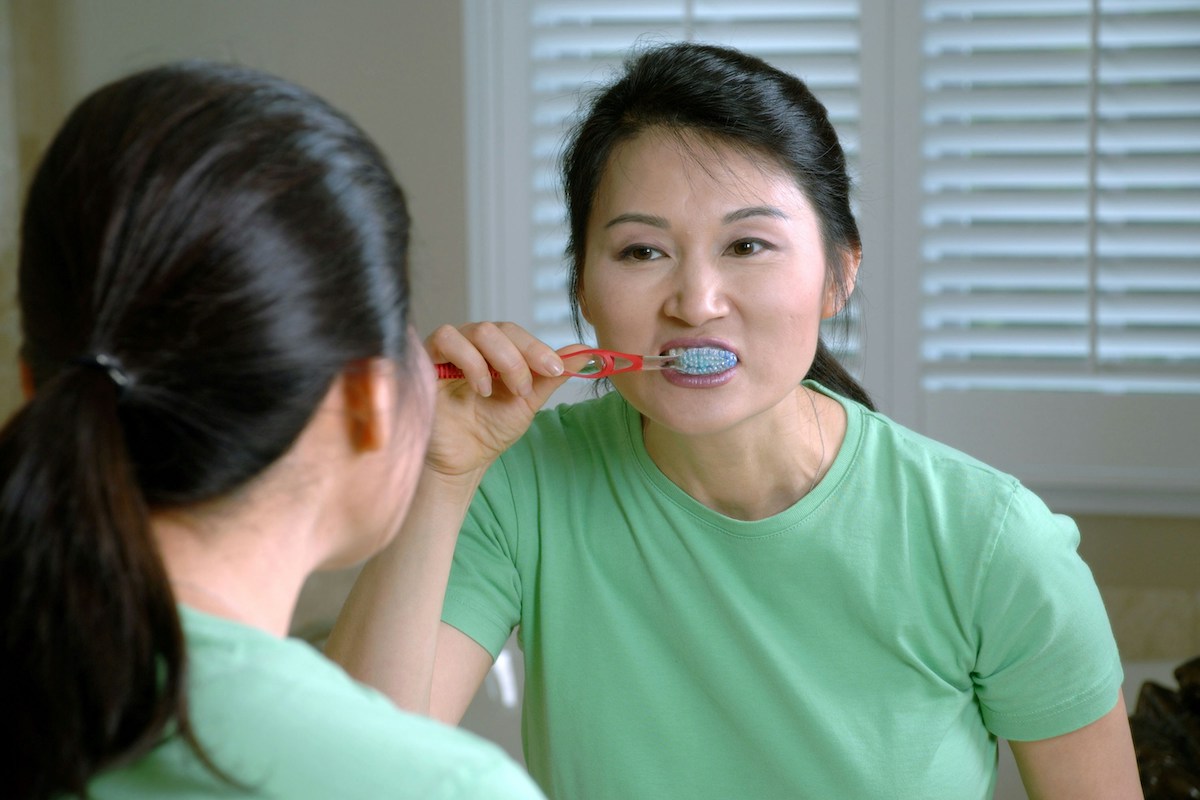
Traditional wisdom has always suggested that toothbrushing twice a day can ensure a healthy smile, with each brush lasting two minutes. The usual times are before or after breakfast, and then before heading to bed to protect the teeth and gums overnight.
But in 2025, two minutes may be insufficient. A new study highlights the gaps in daily oral hygiene routines and promotes a three-minute clean instead. This is because Brits cut corners on many daily tasks, from tidying to oral health – 22% of UK adults were found to only clean their teeth once a day and 36% skip brushing when they are in a rush.
The busy lives led by Brits in 2025 is therefore having a direct impact on their oral health – tooth sensitivity (43%), bleeding gums (43%) and cavities (34%) are the leading oral health complaints in the UK. A further shocking outcome is that 23% of the study’s participants said they skip brushing if they are too tired.
Based on the study results, the recommended third minute for each toothbrushing session should be dedicated to interdental cleaning. Whereas traditional toothbrushes only reach around 60% of the tooth surface, interdental cleaning accesses the untouched 40%, removing trapped food particles and keeping the teeth healthy. The risk of tooth decay and gum disease will decrease if consistent daily dental care is upheld. Moreover, wider health risks like heart disease and Alzheimer’s can also be lowered.
Cutting corners with the daily oral hygiene routine only saves time in the short run. Those who skip brushing due to being in a rush may find their days interrupted in the future due to more dental appointments as a result of poor oral hygiene. By setting aside two minutes for toothbrushing and an extra minute for interdental cleaning, Brits can feel satisfied in their smile and health. Electric toothbrushes can also improve compliance with the recommended timings as many brands feature 4×30 second timers to guide each clean.
Six minutes a day is a small price to pay for a consistent and effective oral hygiene routine. Whilst the differences may not be immediately apparent, the long-term health benefits of daily dental care can ensure a higher quality of life.
>Since you’re here, why not read about the hidden cost of dental tourism?
Main Image Credit: Unsplash