11 luxury design hotels to visit in 2026

11 luxury design hotels to visit in 2026

From sculptural interiors to bold architectural statements, here is our Kilburn Comms edit of the stays setting the aesthetic agenda for the year ahead. Hamish Kilburn writes…

From reimagined coastal icons and soul-soothing desert sanctuaries to heritage landmarks reborn through art, wellness and craft, 2026 is shaping up to be a defining year for design-led hospitality. This edit of hotels go far beyond surface aesthetics, using architecture, interiors and sensory experience to tell deeply rooted stories of place. Whether through biophilic materials, immersive art programmes or science-backed sleep rituals, each stay offers a thoughtful vision of modern luxury — one where design doesn’t just impress, but connects, restores and endures.

Desert Rock Resort, Red Sea, Saudi Arabia

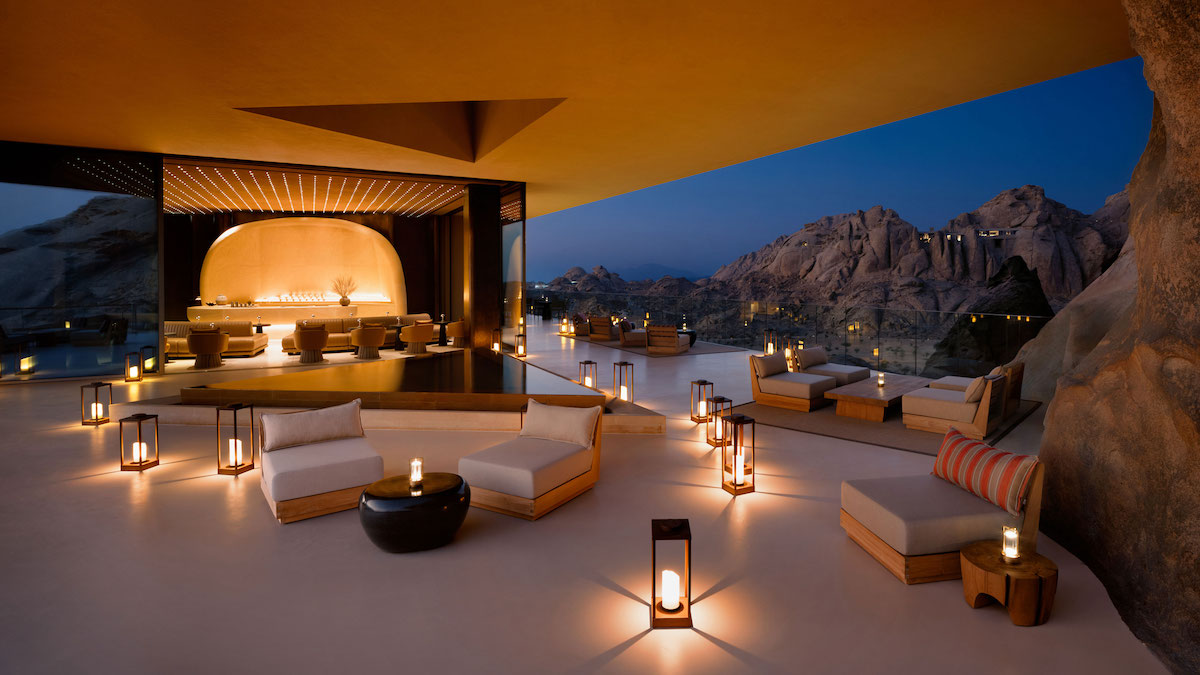
Desert Rock in Saudi Arabia - candles on the floor - room carved into rock

Image credit: Desert Rock Resort, Red Sea

Carved directly into the ancient mountains of Saudi Arabia’s Red Sea coast, Desert Rock Resort is an architectural and interior design feat that feels as though it has always belonged to the land. Rather than imposing itself on the dramatic desert landscape, the resort is embedded within it – villas and suites are recessed into rock formations, while pathways follow natural contours, creating a sense of discovery and seclusion. The architecture draws on Nabataean precedents and regional building traditions, reinterpreted through a contemporary lens that prioritises sustainability, thermal comfort and visual harmony with the surrounding terrain.

The interiors echo the raw poetry of the exterior. Spaces are defined by a restrained palette of stone, sand, oxidised metals and softly textured plaster, allowing the desert’s colours and light to take centre stage. Furnishings are low-slung and sculptural, with bespoke pieces crafted from natural materials that feel both tactile and timeless. Layered lighting is deliberately subtle, washing walls and ceilings to enhance the rock-hewn forms rather than compete with them, while large openings frame cinematic views of the desert and night sky. The result is an atmosphere of profound calm – one that feels elemental, grounded and quietly luxurious.

Public areas, spas and dining spaces blur boundaries between inside and out, with courtyards, shaded terraces and water features tempering the desert climate while enhancing sensory experience. Art and detailing are minimal yet meaningful, often referencing local craft, geology and patterns found in nature. Desert Rock Resort ultimately redefines luxury as immersion – an interior world shaped by silence, scale and material honesty, offering guests a deeply meditative connection to one of the world’s most dramatic landscapes.

Ritz-Carlton Key Biscayne, Miami
Guestrooms designed by CHAPI Design

THE RITZ-CARLTON KEY BISCAYNE, MIAMI MARKS THE RETURN OF MODERN COASTAL GLAMOUR IN SOUTH FLORIDA

Image credit: Ritz-Carlton / Marriott International

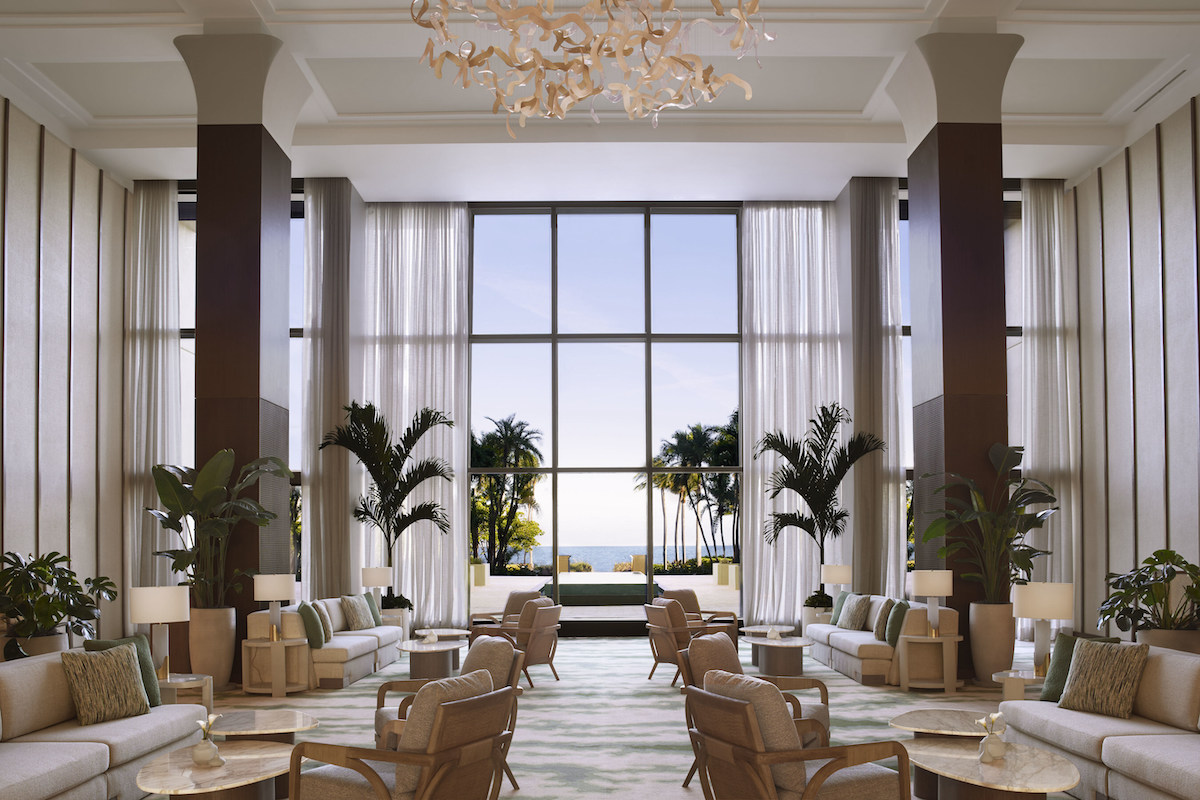
The recently re-imagined Ritz-Carlton Key Biscayne, Miami – including its rooms and branded-residences – showcases a refined, design-led vision executed by CHAPI Design together with architectural and public-space collaborators such as Hart Howerton and DesignAgency.

Across the 420-key resort, guestrooms and suites have been fully redesigned with bespoke furnishings, natural materials, and a soft, coastal palette inspired by Key Biscayne’s sea, sand, and surrounding nature.

Beyond the rooms, the redesign extends to public spaces — a newly opened, east-facing glass lobby façade floods the arrival sequence with natural light and frames uninterrupted Atlantic Ocean views, seamlessly connecting indoor and outdoor environments. Spa, wellness, pool, and other amenities have all been refreshed, reinforcing the resort’s commitment to offering a holistic, design-driven luxury experience rooted in its island context.

Orient Express La Minerva, Rome, Italy
Designed by Hugo Toro

Wild public areas inside Orient Express La Minerva, Rome, Italy

Image credit: Alexandre Tabaste

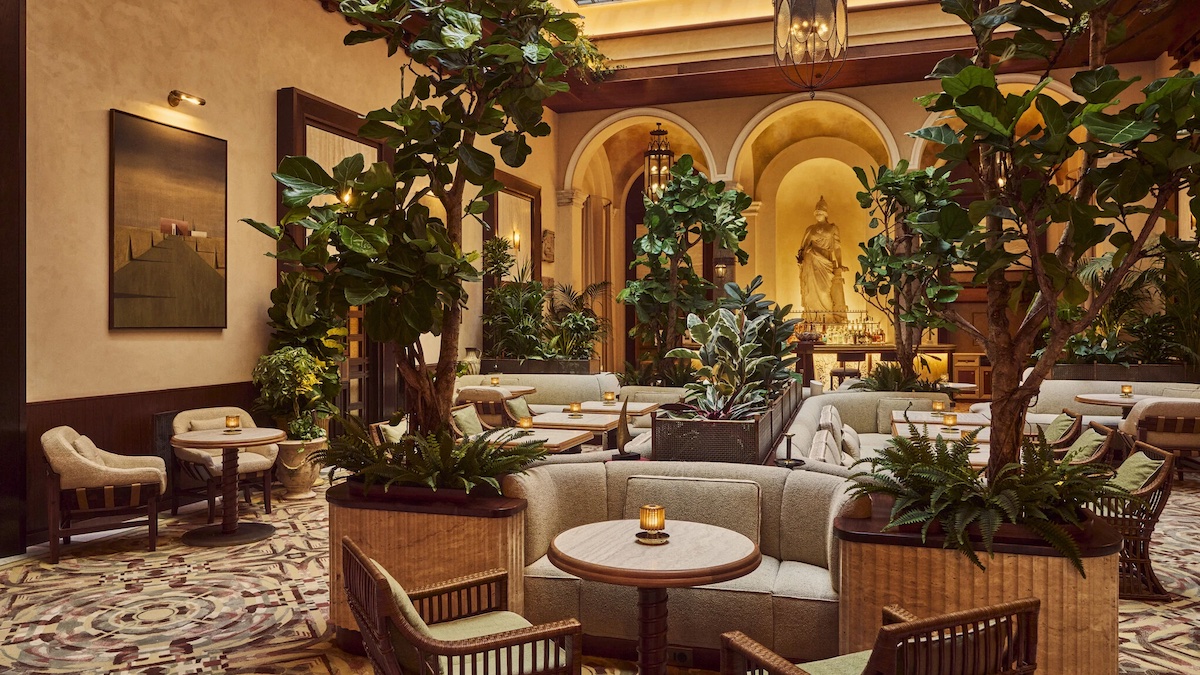
When Orient Express La Minerva opened last year, it marked the storied travel brand’s Roman debut with an interior vision that is unapologetically theatrical, romantic and steeped in heritage. Housed within a historic palazzo just moments from the Pantheon, the hotel draws on Rome’s layered past – imperial grandeur, ecclesiastical drama and cinematic glamour – reimagined through a contemporary luxury lens. The design pays homage to the golden age of travel synonymous with Orient Express, translating the romance of rail journeys into a static yet richly immersive urban retreat.

The multi-award-winning interiors, designed by Hugo Toro, unfold like a sequence of carefully composed scenes. Deep jewel tones, polished marbles and richly veined stones sit alongside lacquered woods, burnished metals and sumptuous textiles, creating spaces that feel intimate yet opulent. Custom furnishings reference classic Italian design while maintaining a softness and sensuality that avoids rigidity. Lighting is key to the atmosphere: pools of warm, low light highlight architectural details, artworks and textures, evoking the glow of candlelit salons and grand European apartments. Each room feels layered and lived-in, balancing nostalgia with modern comfort.

Throughout the hotel, design becomes a narrative device – guiding guests through Rome’s past while anchoring them firmly in the present. Public spaces flow with a residential elegance, encouraging lingering rather than spectacle, while subtle references to travel, cartography and craftsmanship nod to the Orient Express legacy without overt branding. The result is a hotel that feels deeply Roman yet unmistakably global: a place where history, fantasy and refined interior storytelling converge, positioning La Minerva as one of the city’s most characterful new addresses.

Our Habitas Tulum, Mexico

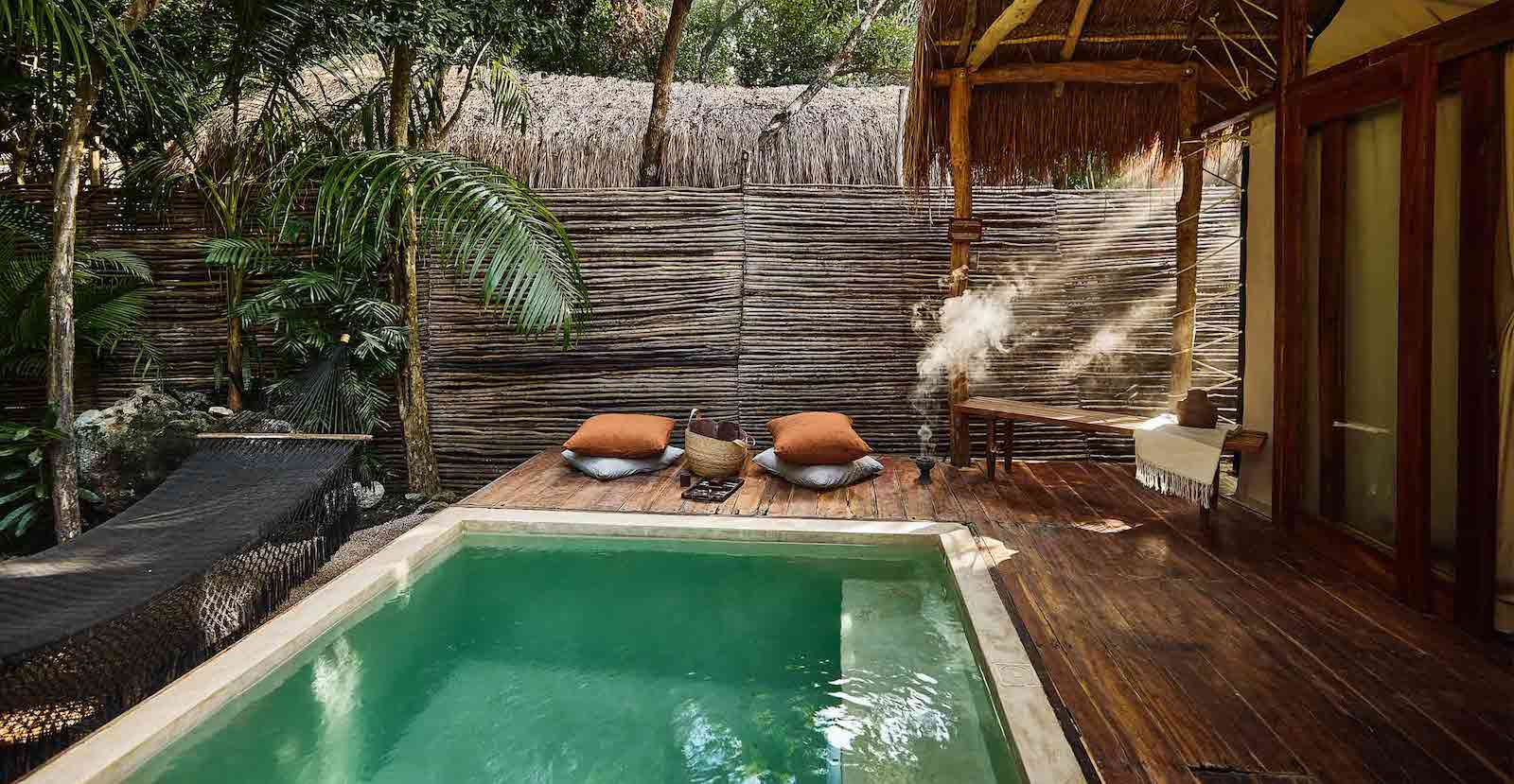
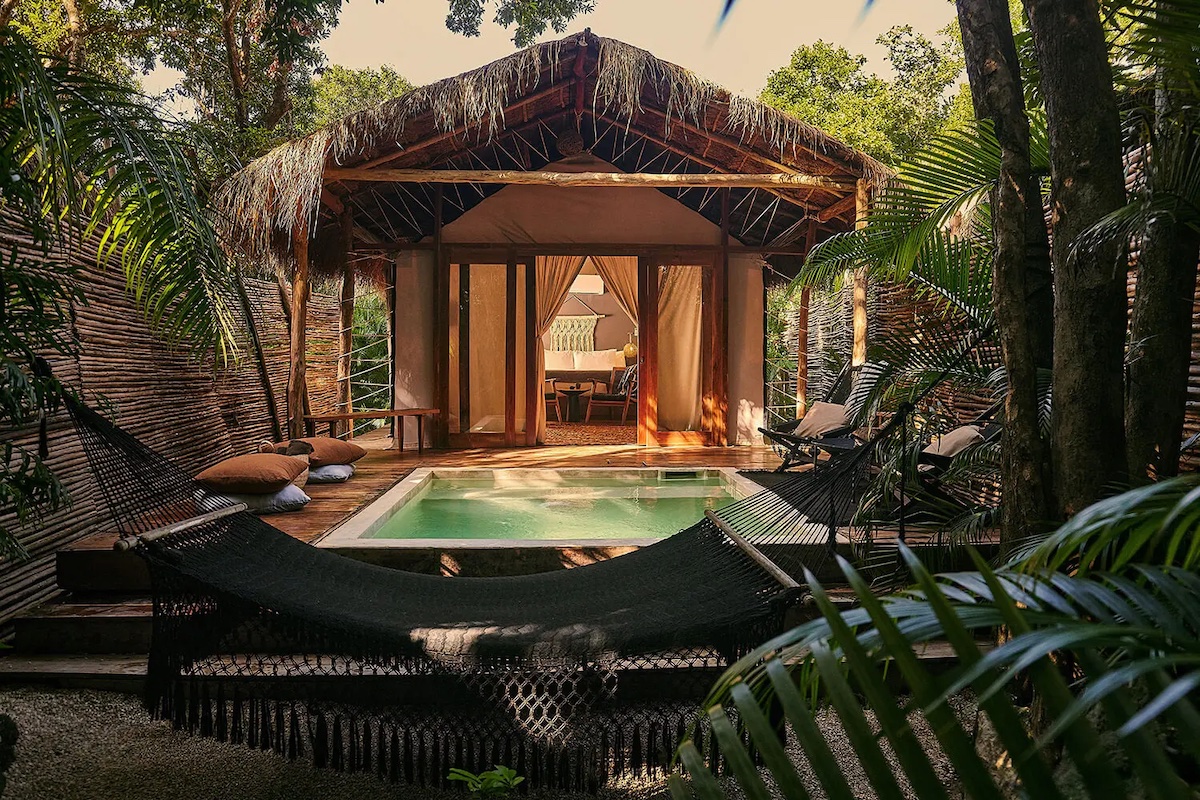
Pool image of jungle-side Our Habitas, Tulum, Mexico

Image credit: Our Habitas

Set within the lush jungle of Mexico’s Yucatán Peninsula, Our Habitas Tulum is a design-forward retreat rooted in nature, community and conscious living. Rather than presenting itself as a traditional hotel, the property unfolds as a village-like sanctuary where architecture and landscape exist in constant dialogue. Elevated structures are lightly placed among the trees, preserving the natural terrain and allowing the jungle to remain the dominant presence. The overall design philosophy is one of restraint and respect — creating spaces that feel handcrafted, impermanent and deeply connected to their environment.

Interiors embrace a raw, tactile aesthetic defined by natural materials and artisanal craftsmanship. Handwoven textiles, reclaimed woods, stone surfaces and earthy plaster walls form a warm, neutral palette that mirrors the surrounding jungle. Furniture is deliberately simple and often locally made, prioritising comfort and authenticity over formality. Open-air layouts blur the boundary between inside and out, with filtered daylight, rustling leaves and ambient sounds becoming integral design elements. The effect is intentionally unpolished yet soulful – spaces that encourage slowing down, reflection and sensory awareness.

Across the property, design is inseparable from experience. Communal areas, wellness spaces and dining venues are arranged to foster connection – between guests, local culture and nature itself. Fire pits, yoga decks and shared tables reinforce the brand’s ethos of togetherness, while sustainable construction methods underscore a commitment to environmental responsibility. At Our Habitas Tulum, interior design is not about intention, creating a grounded luxury defined by feeling rather than excess.

Banyan Tree Dubai
Design: BLINK Design Group

Blink Design, Banyan Tree Dubai

Image credit: Natelee Cocks

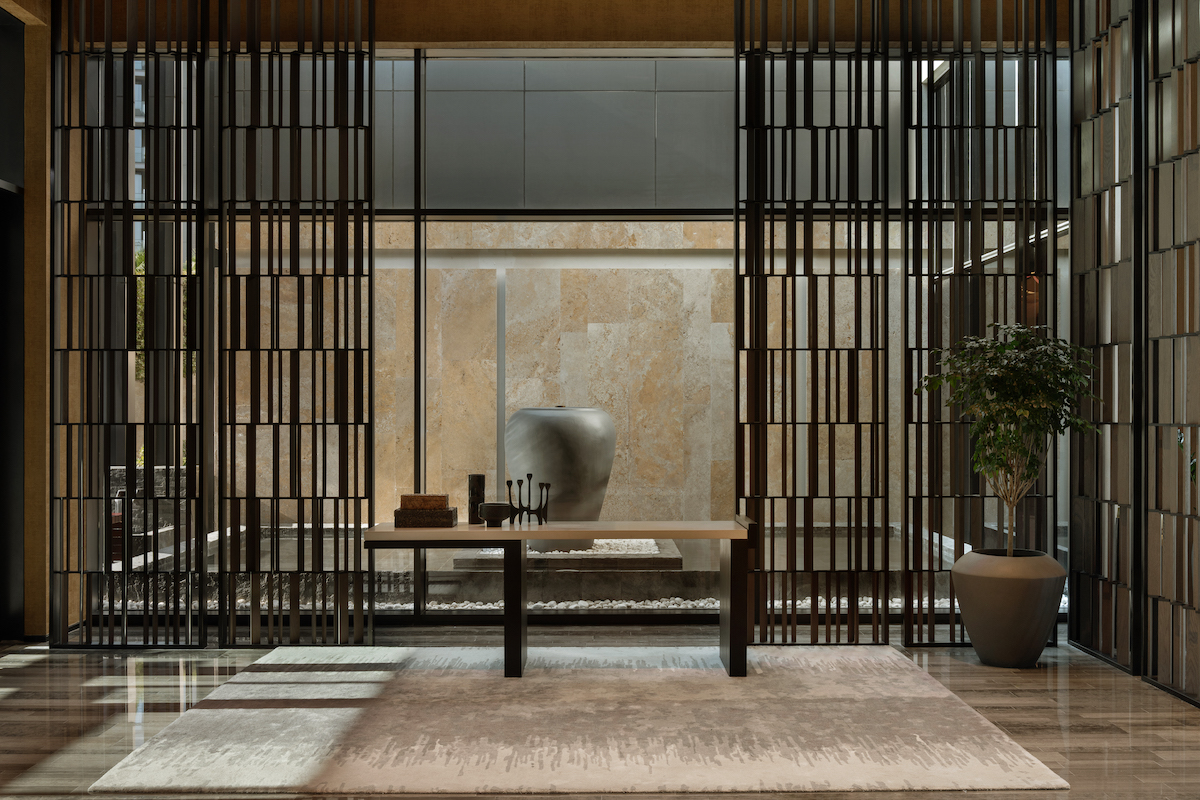
Perched on the serene shores of Bluewaters Island, Banyan Tree Dubai is the hotel quietly rewriting Dubai’s reputation—proof that the city known for spectacle can, in fact, deliver soul. Once the flamboyant Caesars Palace, it has been transformed by BLINK Design Group into a sanctuary with a heartbeat: a place where dune-soft lighting, sheer drapery and handwoven textures trade flash for feeling. It’s nature-rooted, gently grounded and surprisingly intimate for Dubai – more whispered poetry than gold-plated prose – making it one of the most irresistible design hotels to check into in 2026.

The Whitely Six Senses London
Art consultancy: Artiq


The Whiteley apartment

Image credit: Six Senses / Artiq

London’s historic Bayswater landmark, The Whiteley, has been restored by architecture firm Foster + Partners as a blueprint for 21st-century luxury living.

AvroKO’s interiors retain the building’s ornamental bones while layering biophilic materials, soft curves and convivial social spaces that read as modern interpretations of the original department-store theatricality. The project’s design narrative is amplified by an ambitious art programme curated by Artiq, whose rental scheme supplies the residences and show apartments with a rotating collection that complements the building’s cinematic scale. Artiq’s curatorial approach leans into emerging British talent and a strong representation of women-identifying artists, creating intimate counterpoints to the hotel’s grand public rooms.

Across the property, artworks are used not as decorative afterthoughts but as wayfinding and storytelling devices – softening lobbies, punctuating corridors, and stitching together old and new. For travel editors, the result is experiential luxury: guests encounter heritage architecture, wellness amenities and a living contemporary collection that refreshes with each season.

The Whiteley demonstrates how strategic art curation can humanise large-scale restorations, turning a landmark redevelopment into a layered cultural address rather than a mere backdrop for Instagram. Its choreography of light, texture and commissioned works rewards repeat stays and positions The Whiteley as a new benchmark for culturally minded hospitality.

Nekajui, a Ritz-Carlton Reserve, Peninsula Papagayo in Costa Rica
Design of Residence 22: CHAPI Design

Residence 22 at NekajuiTatiana Sheveleva Designer

Image credit: Ritz-Carlton

Set at the edge of a tropical cliffside, where the dry tropical forest descends into the Gulf of Papagayo, Residence 22 is a living dialogue between architecture and environment. Designed by Toronto-based CHAPI Design, Residence 22 at Nekajui, a Ritz-Carlton Reserve is a singular achievement: a private villa within the Reserve, and the only one to command a 180-degree panorama over the Pacific.

For lead designer Tatiana Sheveleva, Owner of CHAPI Design, this uninterrupted view – a cinematic sweep of ocean, forest and sky – became the starting point for a design narrative grounded in restraint, reverence, and raw materiality.

Beach Villas at Paradise Beach, Nevis
Designed by Naomi Cleaver

Beach Villas at Paradise Beach interiors

Image credit: Paradise Beach, Nevis

A drawbridge-style staircase lifts gently from the sand – a subtle yet unmistakable cue that privacy is paramount at the beach villas of Paradise Beach, Nevis. Arrival in the villa-only resort is just as intentionally unhurried: a slow-opening gate reveals architecture that creates a sense of retreat without severing ties to the landscape itself. Elevated above the shoreline, each villa captures uninterrupted sea views and cooling trade winds, while remaining quietly shielded from neighbouring homes and the rhythms of public space..

Interiors, designed by Naomi Cleaver, are calm, airy and quietly refined. A soft palette of whites, sands and pale woods reflects the natural surroundings, while tactile materials – linen, rattan, stone and subtly grained timber – add depth without visual noise. Furnishings are elegant but relaxed, designed for barefoot living and long, languid days by the sea. Generous glazing and open-plan layouts dissolve the boundary between inside and out, drawing in natural light and framing uninterrupted ocean views from bedrooms, living spaces and terraces alike.

Throughout the villas, design prioritises ease and intimacy. Outdoor showers, shaded patios and private plunge pools on the balcony extend the living experience into the landscape, encouraging a seamless rhythm between rest, retreat and the outdoors. There is no overt ornamentation or trend-led styling; instead, with lines being taken seriously throughout the entire property by owner James Cabourne, the interiors rely on proportion, light and material honesty to create a sense of timelessness. At Paradise Beach, the beach villas offer a distilled form of luxury – one that feels personal, serene and deeply attuned to the spirit of Nevis as an island that naturally offers a different class of Caribbean experience.

Two further villas are now in the design phase in the property, which are set to extend the intimate, elevated rhythm along the shoreline, promising new expressions of calm, considered living that feel both timeless and unmistakably of place. Paradise by name, paradise by nature.

Equinox New York
Sleep Lab Suites designed in collaboration with White Mirror

White Mirror Equinox Breathe in

Image credit: Equinox Hotels

In collaboration with Equinox Hotels and Dr. Matthew Walker, White Mirror has developed specialised in-room rituals to enhance sleep and waking experiences, including audio and audio-visual guided breath work. These rituals are designed to support guests’ circadian rhythms, incorporating the calming effects of red and orange light, known for their minimal disruption to melatonin production.

White Mirror is a sensory innovation studio that blends science, technology, arts and design to create transformative wellness experiences for some of the world’s largest brands. By integrating cutting-edge sensory technology and evidence-based research, the studio crafts immersive environments and unique content that fosters relaxation, restful sleep and rejuvenation – White Mirror Studio is currently helping millions sleep better every night with soundscapes for the leading mindfulness and sleep apps.

St. Regis Cap Cana
Interior Design: CHAPI Design

Luxury living area in St Regis Cap Cana

Image credit: St Regis / Marriott International

The 200-key St. Regis Cap Cana marks St. Regis’ first foray into the Dominican Republic, and it does so with architectural aplomb, courtesy of Acebal Canney Arquitectos & Asociados and a deeply poetic interior vision realised by CHAPI Design. For Tatiana, every element of the hotel hums with an intention steeped in the land’s history, spirit and rich multicultural lineage. The result is a luxury resort that moves beyond aesthetics – it is an experiential narrative sculpted in stone, air and light.

One&Only Le Saint Géran
Spa designed by BLINK Design Group

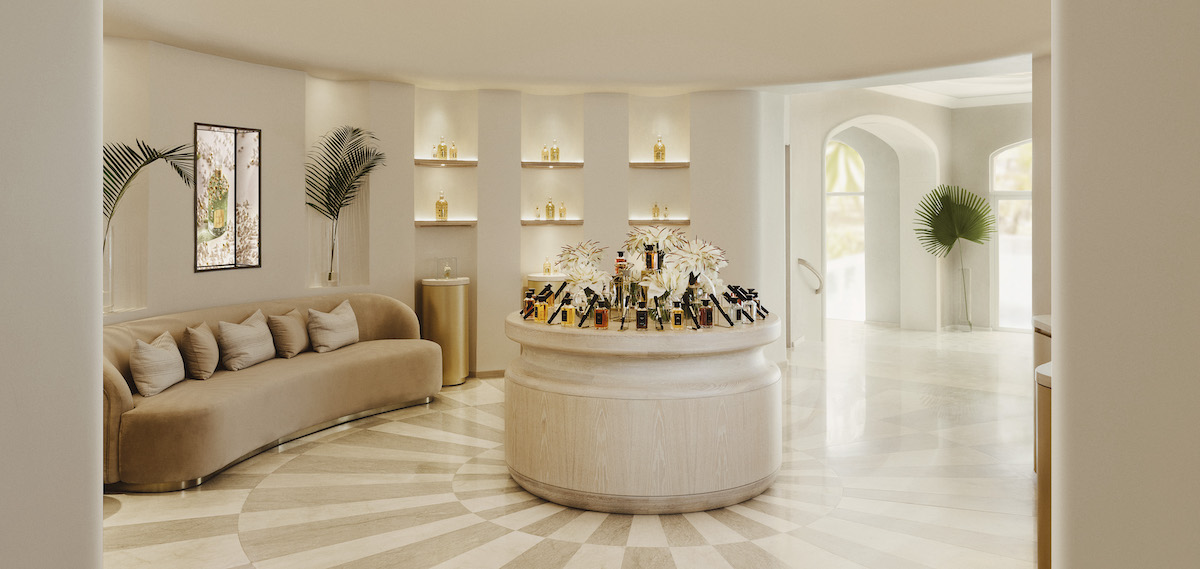
Blissful interiors inside Guerlain Spa inside One&Only Mauritius

Image credit: One&Only

BLINK Design Group has blended the inspirations of Guerlain’s French beauty expertise with a ‘placemaking’ deep dive into the art and culture of Mauritius to create a truly unique spa for One&Only Le Saint Géran.

The new Guerlain Spa at One&Only Le Saint Géran is BLINK’s latest foray into specialized spa design and represents a refreshed wellness experience for guests at Mauritius’ exceptional one-off resort. Beyond the spa, the iconic hotel continues to offer its signature blend of refined luxury, world-class dining, and immersive island experiences that celebrate its legendary beachfront setting.

An oasis of exceptional pampering, the new spa brings Guerlain’s unrivalled expertise to Mauritius for the very first time, complemented by unique BLINK design inspired by the moods, colours and serene natural beauty of the island paradise of Mauritius, as well as the beguiling contrasts of the island’s volcanic rock, azure lagoon waters and deep green jungle.

Main image credit: Our Habitas

Call us