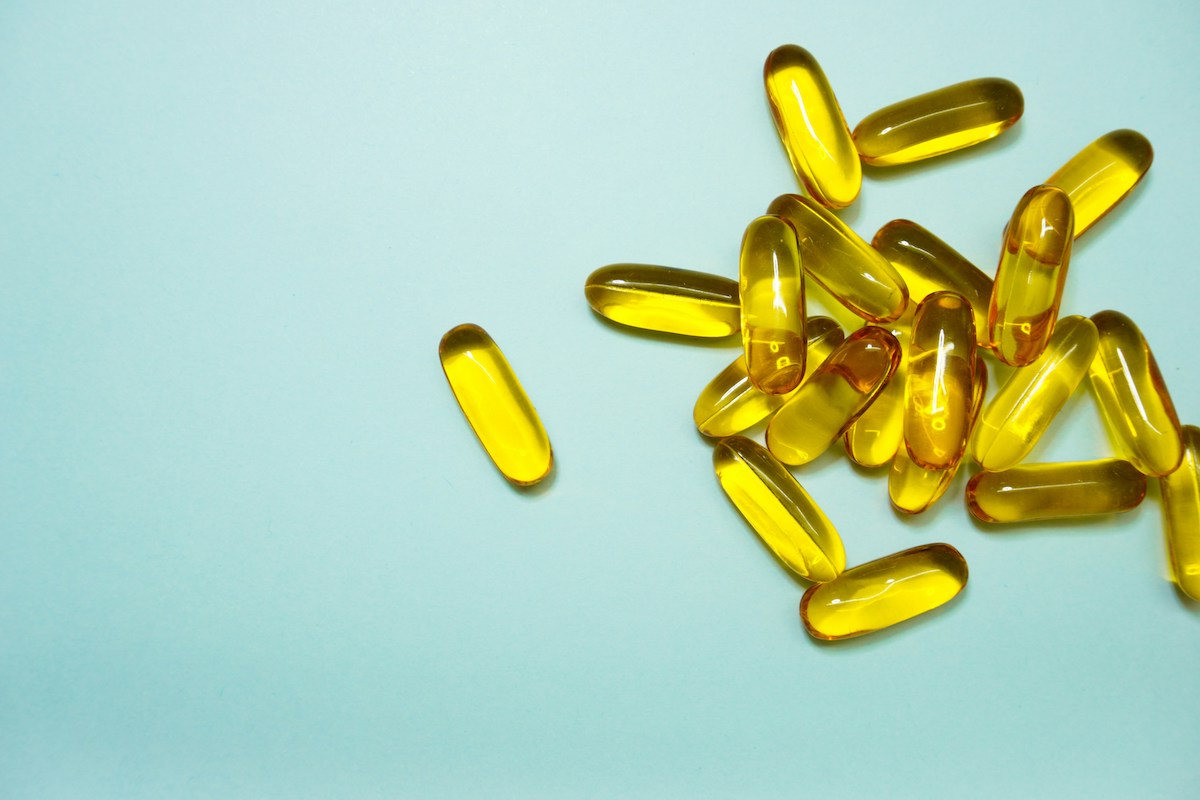
The results of potentially the first double-blind, placebo-controlled Randomised Controlled Trial (RCT) evaluating the adjunctive benefits of omega-3 and low-dose aspirin in the treatment of severe periodontitis yield positive results for future treatment options.
The clinical study, conducted by an international team of scientists, sought to explore whether the prescription of omega-3 and low-dose aspirin, used in conjunction with mechanical subgingival instrumentation (scaling), functions as an effective adjunct therapy in the treatment of severe periodontitis. Successful clinical outcomes, which were measured by the reduction of sites with deep pocket probing depth, were observed in groups who received scaling with adjunctive antibiotics and scaling with omega-3 and low-dose aspirin.
The aetiology and pathogenesis of periodontitis – a chronic inflammatory disease associated with a dysbiotic plaque biofilm that affects and destroys the supporting structures of the teeth – is well-understood, unfolding in stages and grades that correspond to level of severity and rate of disease progression. The inclusion criteria of the study were such that only individuals with periodontitis stage III or IV, grade B or C, were included.
Where subgingival instrumentation may be a sufficient treatment option for the earliest stages of periodontal disease, namely gingivitis, a course of antibiotics may be necessary as an adjunct to mechanical therapy in patients with stage III and IV periodontitis. This study builds on previous literature confirming both the clinical benefits of subgingival instrumentation and antibiotics, specifically the combination of metronidazole (MTZ) and amoxicillin (AMX), to achieve the clinical endpoint for periodontitis.
However, as observed by the authors of the study, approximately ‘one-third of patients still do not achieve the clinical endpoint for periodontal treatment when using adjunctive MTZ + AMX therapy’. This has prompted the investigation of different treatment options, with a combination of omega-3 and low-dose aspirin emerging as a promising alternative.
The study groups
During the year-long study, 109 participants were organised into four groups, with everyone receiving subgingival instruction, but ultimately different adjunctive treatment depending on which therapeutic group they were assigned to.
The adjunctive treatment groups were as follows:
Control group: scaling + placebo antibiotics (thrice daily for 14 days) + placebo omega-3 + low-dose aspirin (daily for 6 months)
Group 1: scaling + antibiotics (thrice daily for 14 days) + placebo omega-3 + low-dose aspirin (daily for 6 months)
Group 2: scaling + omega-3 + low-dose aspirin (daily for 6 months) + placebo antibiotics (thrice daily for 14 days)
Group 3: scaling + antibiotics (thrice daily for 14 days) + omega-3 + low-dose aspirin (daily for 6 months)
A closer look at the findings
Predictably, the control group, who received subgingival instruction and placebo, only achieved modest reductions in periodontal pocket depth. The endpoint for treatment, defined as less than four sites with pocket depth greater than 5 mm, was only achieved by 23.1% of the control group.
A near-identical result was achieved for Group 1 (58.6%) and Group 2 (57.7%), suggestive of the clinical benefits of adjunctive omega-3 with low-dose aspirin in reducing the inflammatory processes involved in periodontal disease.
Interestingly, the combination of scaling, antibiotics, and omega-3 with low-dose aspirin, did not yield greater results than when either of the two strategies were used individually as an adjunct to scaling. Speaking to ScienceDaily, Castro dos Santos, co-author of the study, described their surprise at the results, ‘we imagined that the combination of antibiotics and omega-3 would be most effective… we also believed that the results for the group that used omega-3 with ASA [aspirin] would be slightly lower than those for the antibiotic group’.
Looking to the future
Although the findings of this study do not point to omega-3 supplementation displacing antibiotics as an adjunct to scaling in the treatment of periodontitis, they are promising in light of growing concerns over antibiotic resistance and patient intolerance to these medications.
The authors acknowledge that future large-scale, long-term RCTs are required to build upon the preliminary evidence of the study, and to determine the clinical efficacy of adjunctive omega-3 and low-dose aspirin in diverse populations with periodontal disease.
> Since you’re here, why not read about research that warns of a ‘two-tier’ dental system?
Main image credit: Unsplash