…Anne George, Professor in the Department of Oral Biology at the UIC College of Dentistry, has been awarded a $1.2 million grant from the National Institute of Dental and Craniofacial Research to study dentin phosphophoryn.
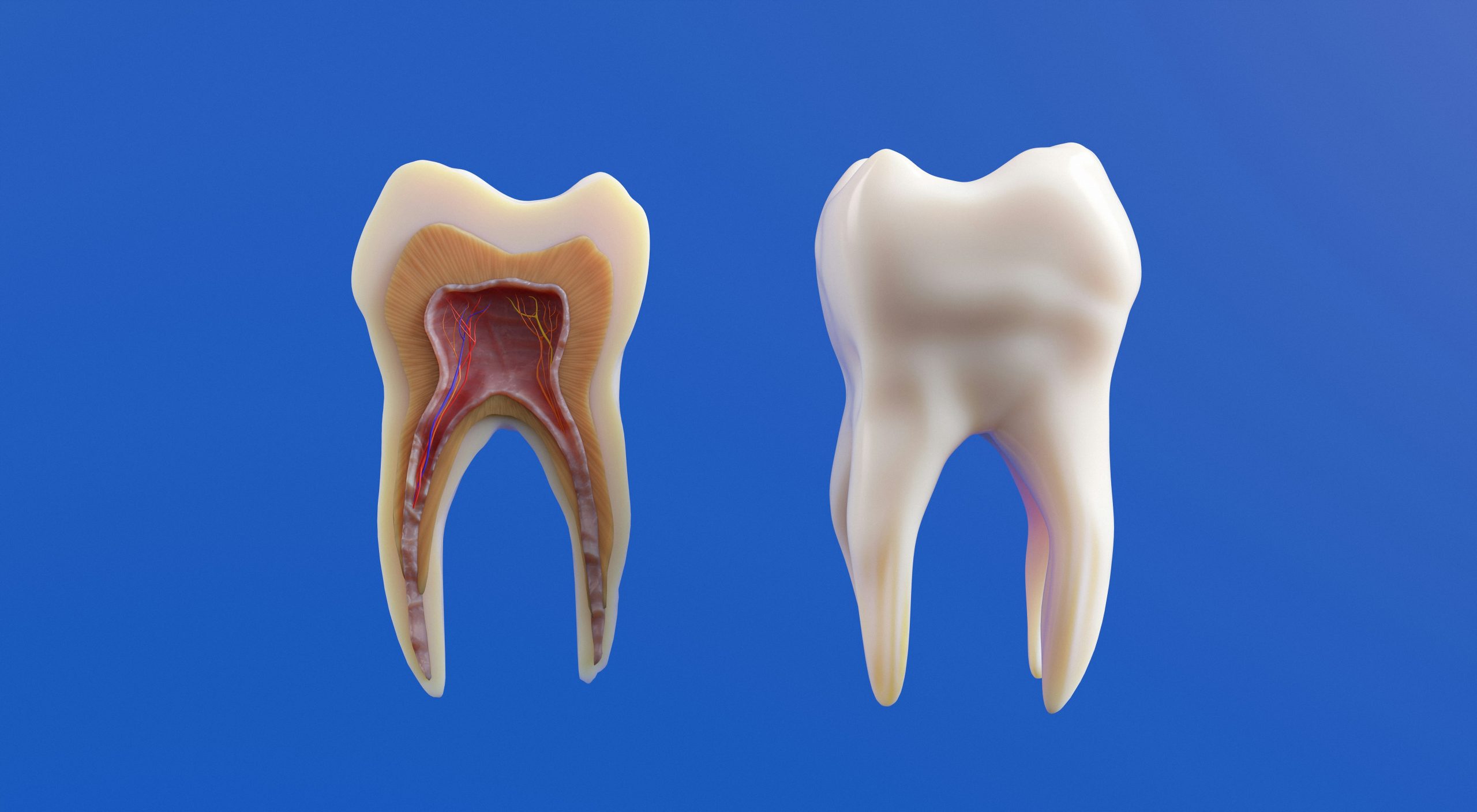
Dentin phosphophoryn is found mainly in dentin, the mineralised tissue that forms the bulk of the tooth beneath the enamel. It is the most acidic protein known in nature and plays a part in calcifying the protein matrix that becomes dentin.
Professor George explained why the protein has caught her team’s attention:
“It is amazing how the dentin-forming cells called odontoblasts and the adult dental pulp stem cells survive in the calcium-rich tooth environment. We think this protein may serve as a protective mechanism for cell survival.”
The new project will look at the protein’s role in autophagy, the process by which cells clear out and recycle old or damaged components. Within the dental pulp, autophagy may help to protect cells during inflammation and injury. Calcium is vital for building teeth and bone, but it can also put cells under significant stress, and the team believes dentin phosphophoryn helps pulp stem cells to cope with that stress, be able to survive, and go on to form the cells that produce dentin.
To investigate this, the researchers will combine work on human dental pulp stem cells with animal models, mapping the molecular pathways that control autophagy and tissue regeneration.
For dental teams, the potential pay-off is in how cavities are treated. Current approaches focus on removing decay and stopping it from spreading, which Professor George believes comes at a cost to the tooth itself. She explains further: “During the process of drilling, you’re removing cells in the dental tissue and pulp and putting a synthetic cap on top of that. It is no longer a live tooth.
“What we are trying to do is use these proteins in a scaffold in the dental cavity to regrow dentin, have a living matrix that can stop cavity propagation and retain tooth function.”
Of course, the research is still at an early stage, and regrown dentin is some way off reaching the dental chair. Even so, the prospect of restorations that keep a tooth alive is an encouraging one for the profession.
Since you’re here, why not read about Mouth Cancer Action Month: awareness, prevention, and early detection
Main image credit: Unsplash