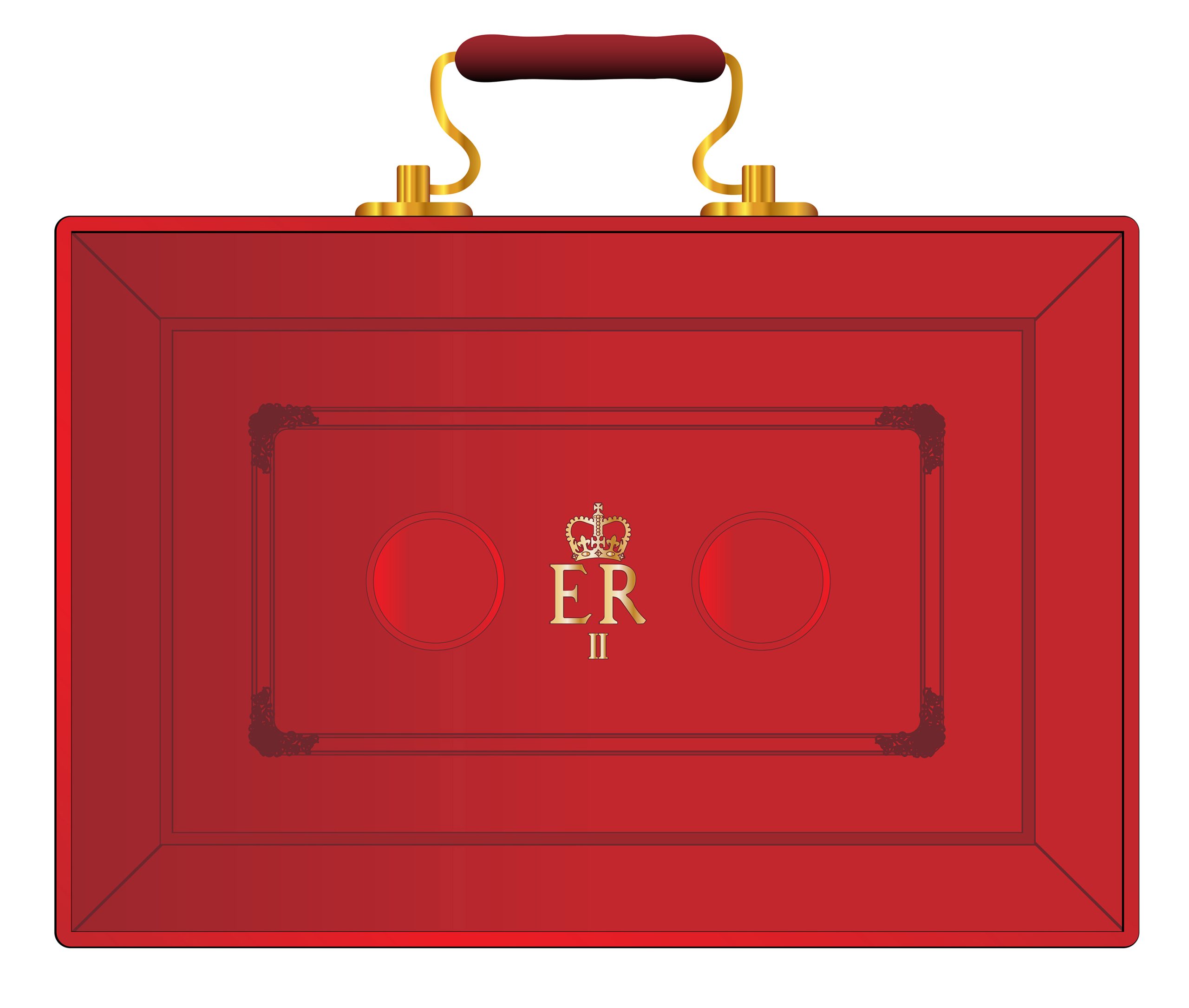
…As described by expert on the matter, Luke Moore, co-founder of Dental Elite, for dentistry, “there was lots of kite flying, but there wasn’t a massive amount of substance within it.” While the speech carried no headline measure for NHS dentistry, several changes will impact practices across the UK, with the biggest consequences falling on owners planning an exit.
Practice sales face a higher tax bill
The Budget confirms that the lifetime limit for Business Asset Disposal Relief falls from £1m to £500,000 from 6 April 2027, with the relief rate held at 18% and gains above the limit taxed at 24%. Healey told MPs that three in four claimants would see no change, but for practice owners with a sizeable gain the difference is significant. Moore explains: “If you’ve got £1m gain, that means that you’re now paying £30,000 more tax than you were at 9 o’clock this morning. And obviously if you’re a husband-and-wife team and you were planning on using two lots of BADR, then it means you’re paying £60,000 more.”
With only a small proportion of a typical gain now qualifying for the 18% rate, some owners may choose to hold on to their practice rather than sell, which could slow activity in the sales market. Moore adds: “If I’m paying 24% tax and I’m only going to pay 18% on a really small proportion of my gain, is it a point where I say, actually, I’m probably going to hold on and see what happens?”
Founder’s Relief
The Chancellor also introduced a new Founder’s Relief, which offers a 10% rate on lifetime gains of up to £10m. The accompanying technical paper, however, requires a minimum revenue of £10m followed by compound growth of 25% a year for three years, taking a business to around £19.5m. The final rules remain subject to consultation, but Luke confirms, “you might get the odd dental group who potentially might be eligible for that… but for your average practice owner, there isn’t a saving grace in there.”
Higher pay four nurses and reception teams
The National Living Wage will rise by 3.9% to £13.21 an hour from 1 April 2027, which is worth almost a thousand pounds a year to a full-time worker. For practices employing dental nurses and receptionists, the bigger cost may come from staff already paid just above the floor. Moore said: “If minimum wage goes up to £13.21, then you’re saying, well, hang on a minute, I’m only paid a few pence more than minimum wage now. It’s more the ripple effect that’s the problem than the actual raising of the baseline itself.”
Higher earners, practice premises, and equipment
Higher-earning dentists will see no change to tax on their salaries or dividends, as Healey framed his tax rises around “raising revenue from those who can afford to pay”. Instead, tax on income from property and savings will rise by a further two percentage points from April 2027. Treasury figures show 84% of taxpayers will see no increase, but owners who hold their surgery building personally and let it to the practice will feel this on their rental income.
For equipment, the Annual Investment Allowance continues to let practices claim 100% of spending of up to £1m a year in the first year. Spending above that limit also gets more tax relief upfront, as businesses can now deduct 50% of the cost in the first year, up from 40%, although the remaining cost will then be written off more slowly, at 12% a year rather than 14%.
Associates and self-employed clinicians
The Treasury also confirmed that self-employed fathers and partners will become eligible for paternity pay. The rate has not yet been set, but statutory paternity pay for employees currently stands at £194.32 a week, so an associate whose partner is expecting could receive around £388 for two weeks of leave. Self-assessment payments are also set to move earlier and become more frequent, starting with quarterly payments, meaning dentists who currently take out loans to cover their January tax bill may need to find the money months sooner.
Tax-free mileage rages have been made permanent, confirming the 55p a mile rate, and staff away from their usual workplace for more than five hours can now claim £20 for subsistence.
Rates and energy relief
The Small Business Rate Relief threshold in England rises from £12,000 to £18,000, but only for retail, hospitality, and leisure businesses, so dental practices will not benefit. Practices will, however, see savings from the scrapping of gas standing charges for homes and businesses from 2027.
Exit planning
For most dental practices, today’s Budget brings only small changes. The one that matters most is the cut to Business Asset Disposal Relief, which means owners selling a practice could pay thousands more in tax. Anyone thinking about selling in the next few years may want to speak to an adviser and review their plans before the new limit applies from April 2027.