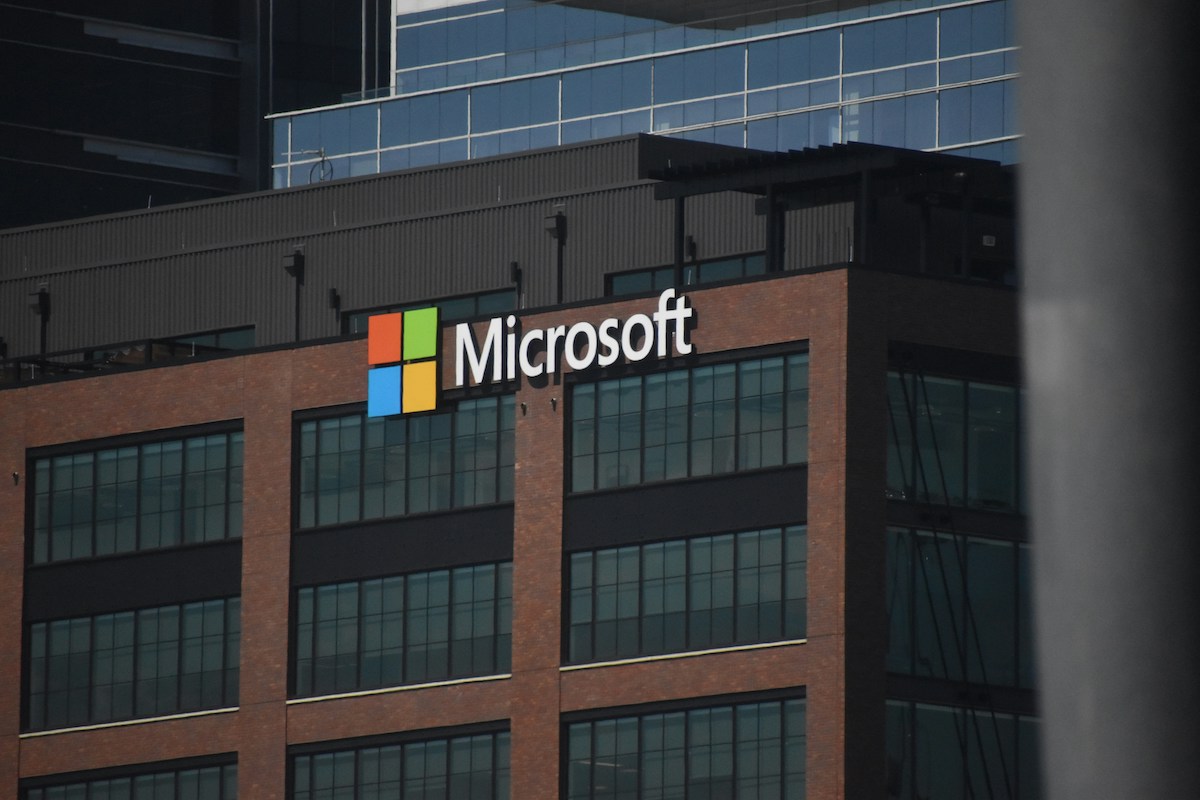
The disruption began around 6PM on Thursday, with key Microsoft services such as Outlook, Teams, and Copilot all affected.
According to reporting by The Guardian, the NHS’s clinical and operational systems are working, but the outage has caused disruption for its email systems.
Sir Ciarán Devane, chief executive of the NHS Alliance, explains (via the Press Association):
“The Microsoft outage is affecting some NHS services, notably access to email, but it appears that all clinical and operational systems are working effectively.
“NHS leaders and their teams are working hard to minimise disruption, maintain essential services and support staff and patients who may be affected.
“Their priority is, as always, to ensure patient safety and continuity of care.
“NHS organisations have workarounds in place when email is unavailable, so contingencies are in place to manage situations like this.”
This may be affecting pharmacies’ ability to communicate with GP practices and some patients, and the GMB union says that the outage is having a serious impact on ambulance and NHS trusts, according to reporting by BBC News.
Whilst the outage was not caused by a cyber-security incident, efforts to fix the issue have been unsuccessful so far. Many customers have not been able to send or receive emails, view files, or access calendar apps. Issues have also been reported with Teams and online meeting functions.
The latest status report issued by Microsoft says its recovery efforts appear to be making ‘incremental improvement’. However its services have not yet returned to normal:
“Recovery actions are ongoing and have progressed in phases across affected Microsoft 365 infrastructure. Global telemetry and customer reports show incremental improvement in several workloads; however, service health remains variable and capacity has not yet fully returned to baseline.”
> Since you’re here, why not read about could dentin regrowth be possible?
Main image credit: Unsplash