Unemployment can lead to poor oral hygiene, with those affected avoiding the dental practice out of financial necessity. Dental treatment can be expensive, and those without work may prioritise food, energy bills and the wellbeing of their family with the funds they do have. But poor oral hygiene and dental problems can impact self-confidence, and become a barrier to accessing and sustaining good jobs.
To remedy this, a coalition of Manchester-based organisations have put their heads together to create Working Well: Roots to Dental, an innovative scheme to provide long-term unemployed residents of Greater Manchester with dental relief.
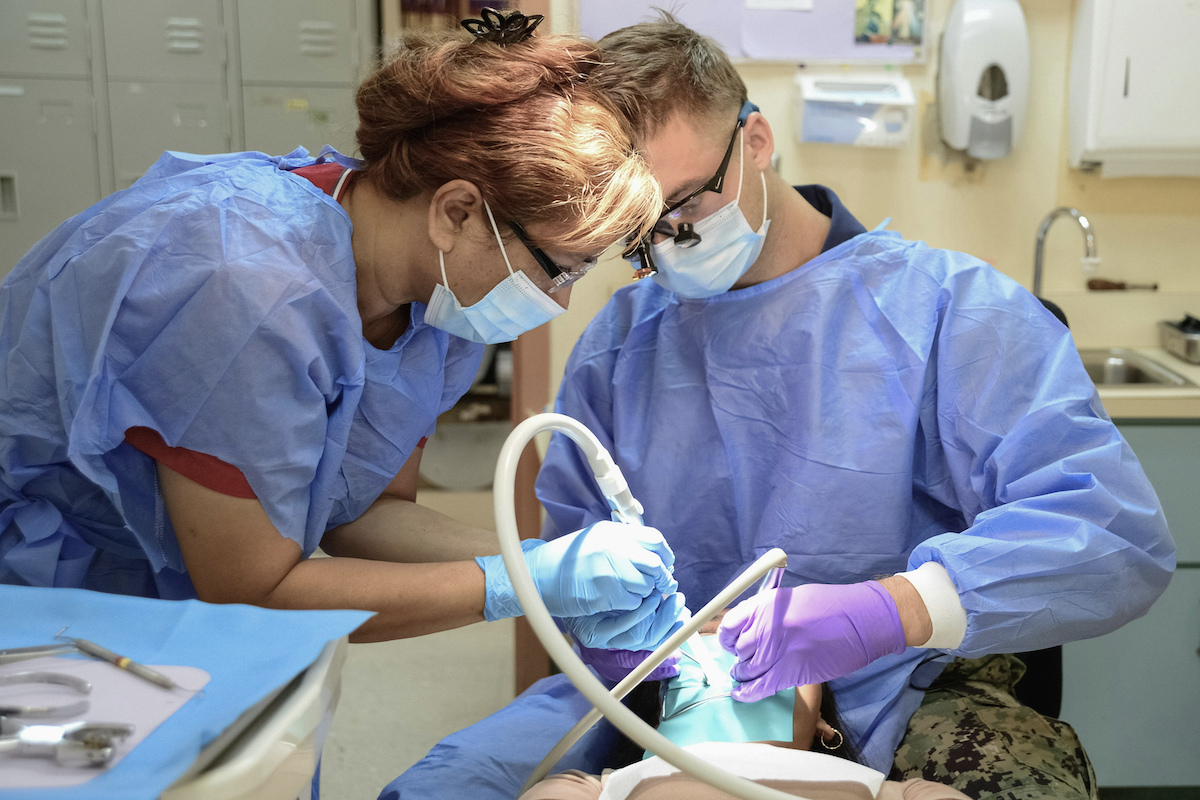
Jointly led by University of Manchester, University Dental Hospital of Manchester, part of Manchester University NHS Foundation Trust, and Greater Manchester Combined Authority (GMCA), the scheme sees dental students deliver treatments. Already, 92,000+ residents have been treated and the results are notable, with patients reporting improved confidence and a greater readiness for work.
A study on 4,469 of the participants found that 10% had pain or problems in the mouth, a further 10% felt embarrassed about speaking and smiling due to dental issues, and 40% did not have access to a regular dentist – the disparity in oral healthcare access needs urgent action.
One participant shared their journey after receiving two root canals on the anterior teeth:
“Previously I struggled with pain when eating and sensitivity all the time. I could not drink without a straw, and this makes people look funny at you. Now […] I can bite better and eat better, and it’s not sore. I feel more confident to smile as my teeth are much better. I think it will improve my employment prospects by looking better and having less pain.”
It also kills two birds with one stone, giving the next generation of dentists an excellent opportunity to hone their skills. Sarah-Jade Akintomide, an undergraduate dental student highlighted the mutual benefits of the scheme:
“Through Roots to Dental, I am learning to deliver high-quality treatment to help people smile again. It’s about more than just teeth; it’s about restoring people’s confidence and improving their quality of life.”
The growth of the relief scheme is an indication of its success, addressing unemployment and oral health issues, and how the two can be interconnected.
Residents based in the North West of England who are not registered with a dentist already can volunteer for treatment from dental students here.
> Since you’re here, why not read about the power of fibre?
Main image credit: Unsplash