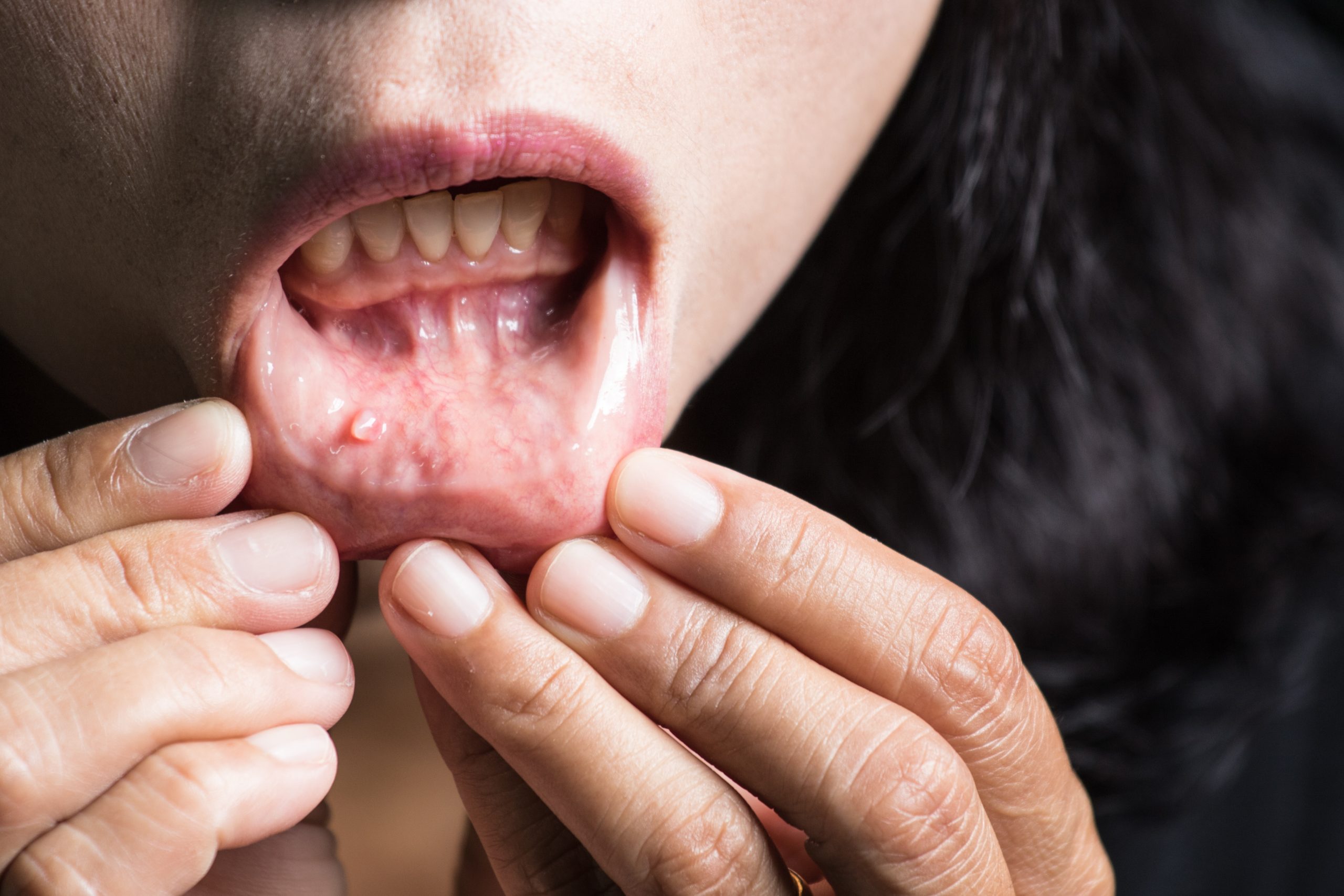
Around 10,825 people in the UK are diagnosed with mouth cancer every year, according to the Oral Health Foundation, but new research from a team based at Queen Mary University in London has found a revolutionary way of detecting the problem.
Published in Biomarker Research, the study presents a way of detecting oral cancers with a brush test, minimising the need for invasive tissue biopsies.
The test could prevent over 90% of unnecessarily harmful scalpel biopsy procedures, which can be painful, and introduce the risk for infection and further hard and soft tissue damage.
Within the study, 1,090 brush biopsy samples were taken from 545 patients, and the results validated the efficacy of the approach. A four-gene mRNA panel is utilised to produce results within one hour. This beneficial speed, alongside its non-invasive nature and additional room-temperature stability, are highlighted as benefits for implementation in low-resource settings.
By reducing the need for scalpel biopsies, the study also highlights the opportunity for repeat testing, supporting earlier identification of high-risk cases more reliably. If a patient has to undergo a painful scalpel biopsy on a tongue-based lesion that comes back negative, for example, they may be apprehensive about retesting even if it is in their best interest.
Early diagnosis of oral cancer is crucial to positive prognoses and eventual outcomes. The NHS notes that symptoms may begin with mouth ulcers that last for more than 3 weeks, red or white patches within the mouth, lumps or pains in the oral cavity, difficulty swallowing or speaking, and more.
Oral potentially malignant disorders (OPMDs) have an increased risk of developing oral cancer, from a 2023 report in Dentistry Review, but a 2026 review in Oral Diseases found that around 74.7% of suspected OPMDs are simply benign lesions.
In these scenarios, there is a chance that clinicians are prompted to perform invasive scalpel biopsies that can cause more problems than they solve, especially if a patient encounters further complications.
The use of a brush test will be a welcome addition to cancer detection routines in dental and general health practices. Patients should be informed of early symptoms to be aware of, and in the future may have the ability to raise concerns without worrying about the need for invasive procedures.