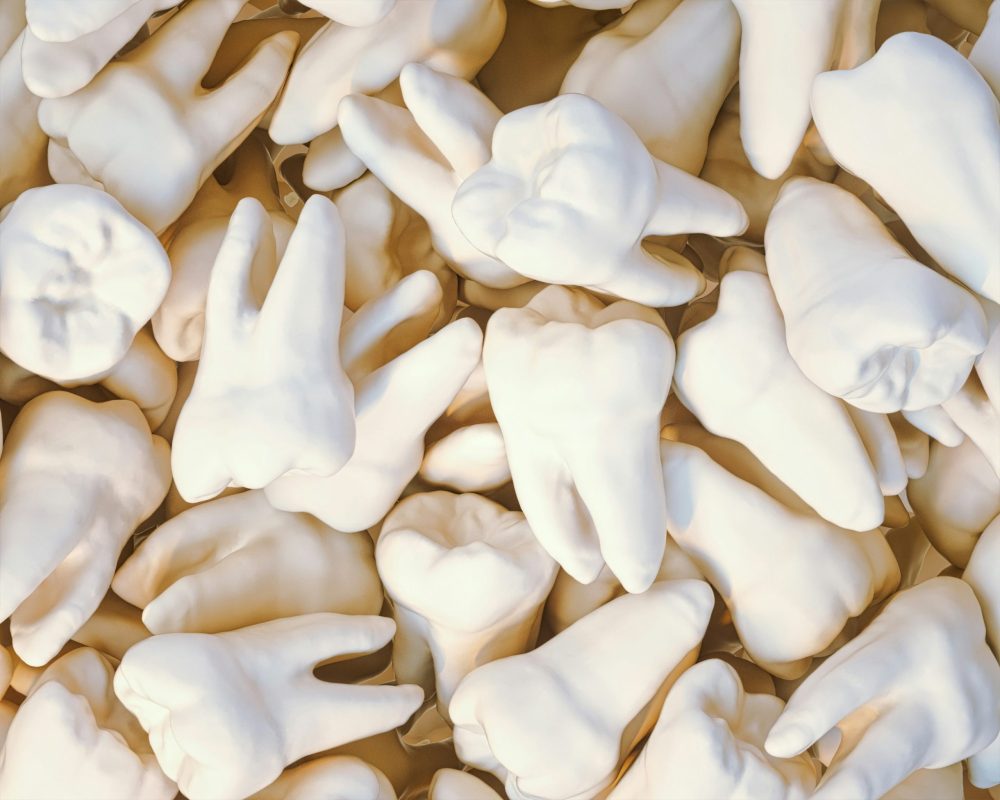
Kyoto-based Toregem BioPharma, an extension from Kyoto University, has secured around £4 million in a recent financing round. The company has said that its total funding to date, including grants and subsidies, now exceeds £21 million. The money will support a Phase II trial in Japan, with preparations also underway for future development in the United States.
The drug, known as TRG035, is an antibody therapy that blocks USAG-1, a protein that suppresses tooth development. By switching off that protein, the treatment aims to activate dormant tooth buds and prompt new teeth to grow.
An earlier Phase I trial, run at Kyoto University Hospital, worked with 30 healthy adult men aged between 30 and 64, each missing at least on tooth. That stage was designed to confirm safety rather than to prove the drug works, and it concluded without serious adverse events.
As reported by Dentistry, the Phase II trial will test the antibody in patients with severe congenital hypodontia, a condition the company defines as the absence of six or more permanent teeth. The clinical risks for younger patients are significant because implants usually cannot be placed until jaw growth is complete. As such, children might have to rely on removable dentures for years, with consequences for function, nutrition, and quality of life.
Researchers hope the approach could eventually treat adult tooth loss caused by decay, gum disease, ageing, or injury, though that remains a longer-term goal. TRG035 is still investigational and has not yet been shown to regrow teeth in humans, with most supporting evidence so far coming from animal studies.
Independent experts have raised questions about how well the method will translate to people. As mentioned by Futurism, Mary MacDougall, dean of the faculty of dentistry at the University of British Columbia, suggested to New Scientist last year that it may prove most effective in children, who still have abundant dental epithelial cells that help form teeth. She has also warned that directing the drug to act on a single intended tooth could be difficult, potentially triggering unwanted growth across several others.
Toregem has said it hopes to have its medicine ready for general use around 2030. For now, the work remains early-stage, but a therapy that help the body rebuild its own teeth would be a major advancement from the dentures, bridges, and implants that have long been the only options for tooth loss.
>Since you’re here, why not read about who is liable when it comes to AI in healthcare?
Image credit: Unsplash