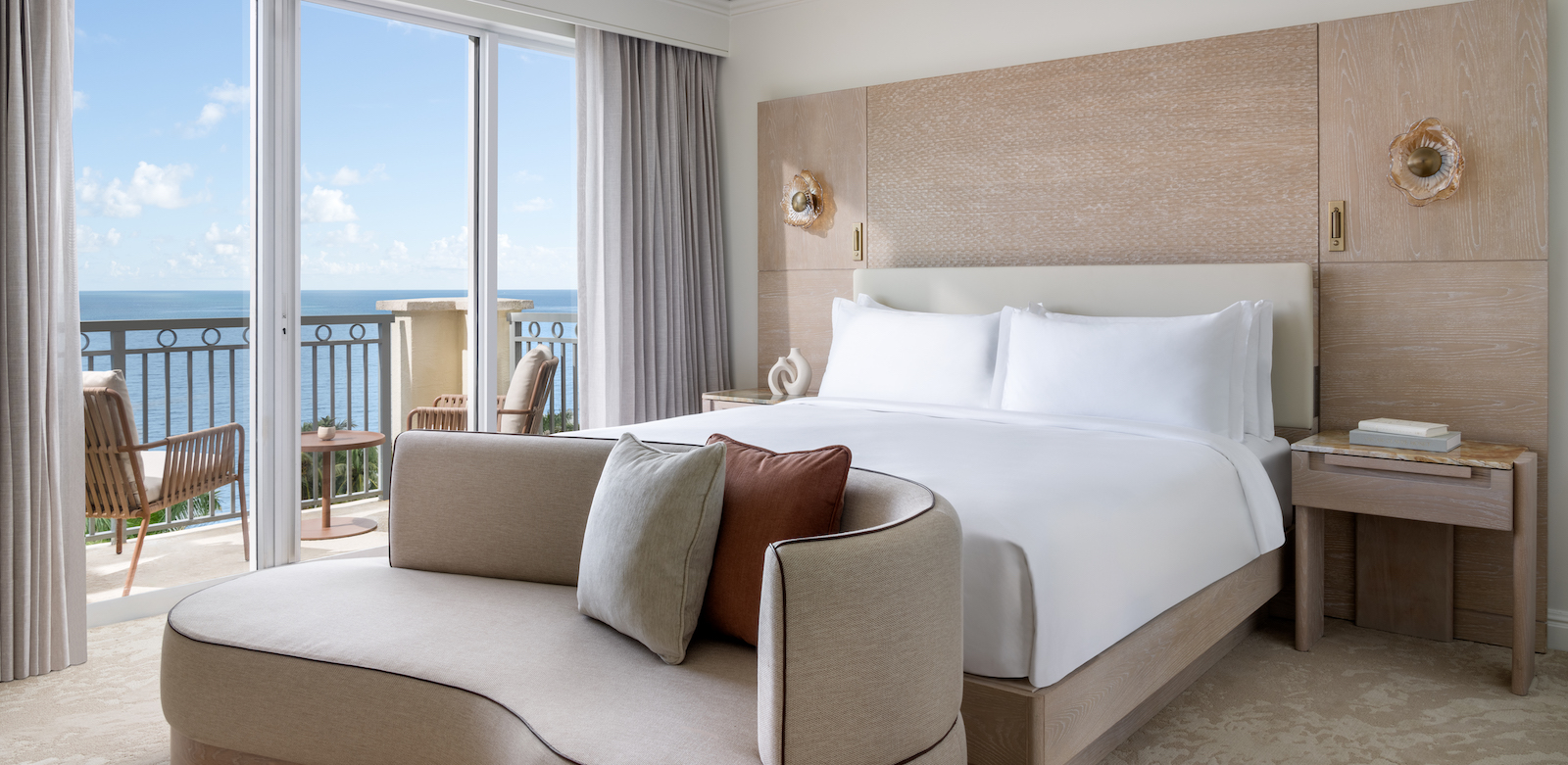
A hushed palette, reef-inspired forms and an instinctive sense of retreat define the newly redesigned rooms, suites and residences at The Ritz-Carlton Key Biscayne, where CHAPI Design translates the island’s layered past into a quietly luxurious coastal sanctuary. Hamish Kilburn writes…
On Key Biscayne, where the Atlantic softens into Biscayne Bay and Miami’s vertical energy gives way to horizontal calm, reinvention has arrived with fluency. Following a reported $100 million transformation, The Ritz-Carlton Key Biscayne, Miami has unveiled newly designed guestrooms, suites and branded residences – spaces that feel less like a hotel refresh than a careful re-reading of the island itself.
The interiors, conceived by Tatiana Sheveleva of CHAPI Design, take a deliberately understated approach to luxury. Rather than leaning into spectacle – there are no fanfares here – they trade in nuance: filtered light, softened edges, materials that appear gently weathered by salt and sun. It is a design language attuned to Key Biscayne’s particular rhythm – private, protective and quietly glamorous.
“Key Biscayne has always been a place of refuge,” Sheveleva says. “From pirate harbour to agricultural enclave, it has carried this sense of arrival and retreat. We wanted the rooms to feel like an extension of that history – a place where you exhale without realising you were holding your breath.
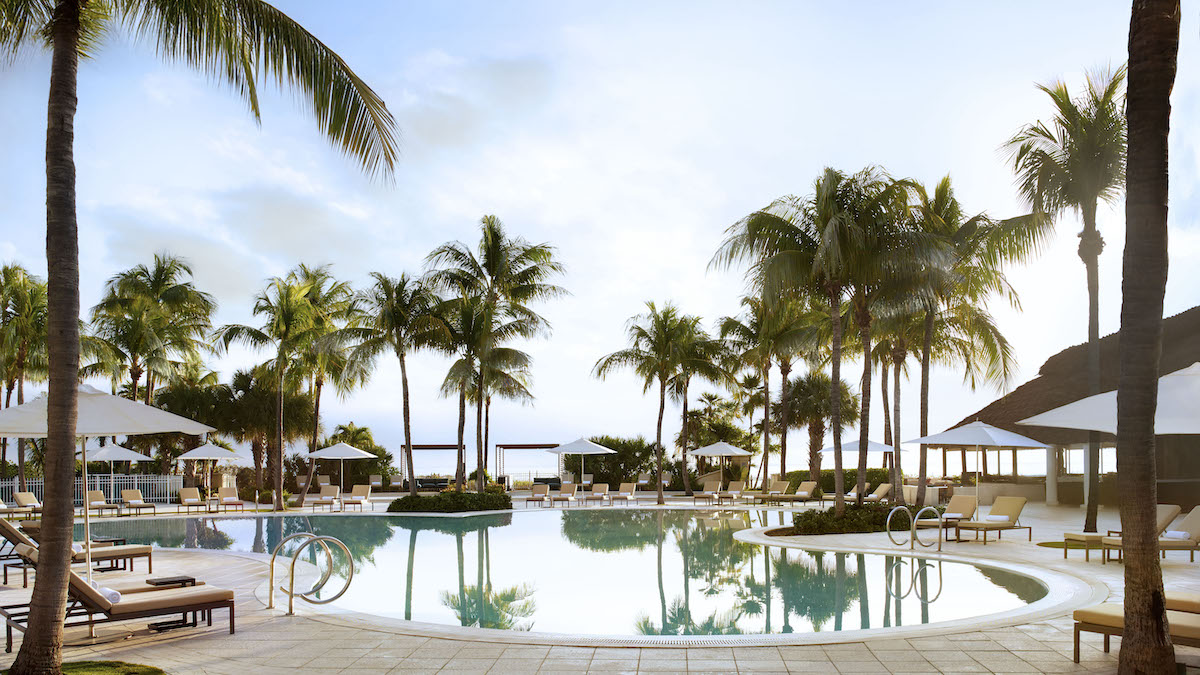
Image credit: Marriott International
Rooms as retreats
Set between ocean and bay, each guestroom is conceived as a personal sanctuary rather than a transient stopover. Floor-to-ceiling windows frame uninterrupted views of sea or gardens, while private terraces draw the eye – and the body – outwards. Inside, the palette remains hushed: sand tones, sun-bleached woods, misted greys and coastal greens, layered to evoke the island’s natural restraint.
There is a softness to everything here. Rounded furnishings replace sharp angles; textures are tactile without being decorative. Handcrafted finishes and gently curved silhouettes nod to the island’s agricultural past – Key Biscayne was once the largest coconut exporter in the United States – without resorting to literal reference. The effect is grounding, almost domestic, yet unmistakably refined.
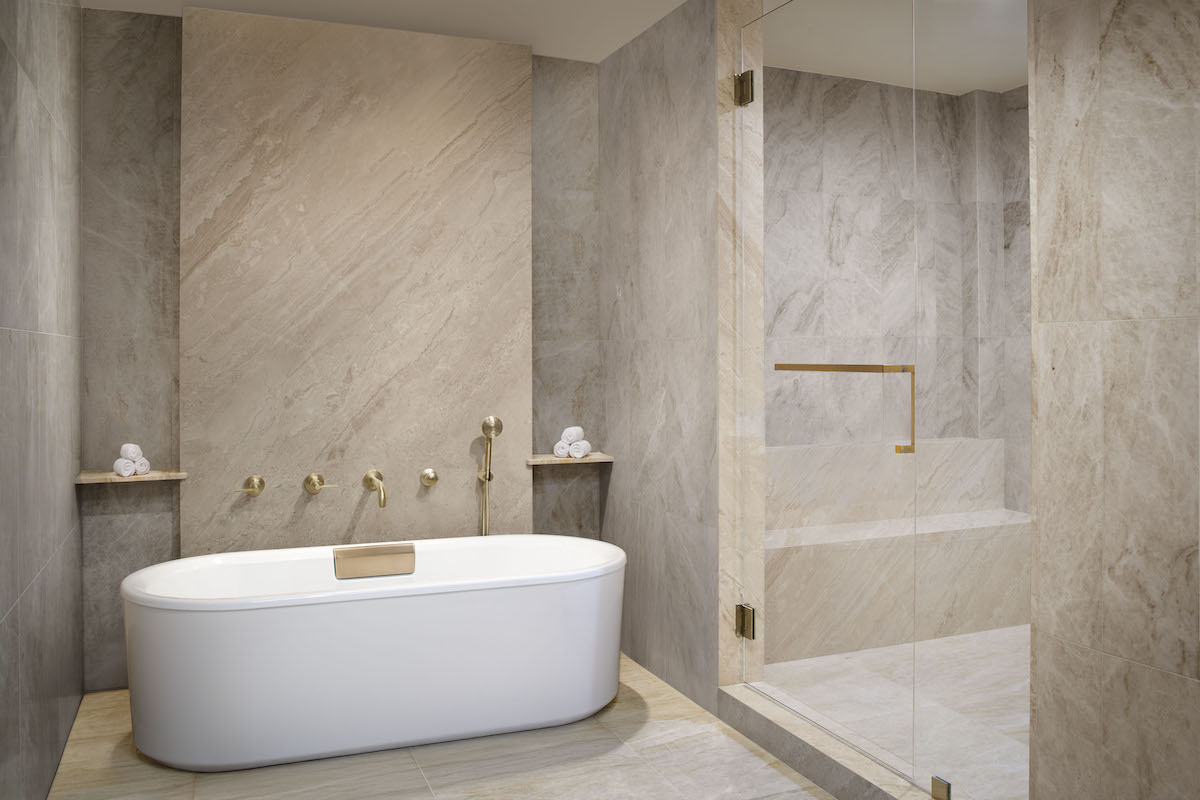
Image credit: Marriott International
Echoes beneath the surface
Beyond the shoreline, another influence quietly shapes the design narrative: the coral reef just offshore, one of the last living reefs in the continental United States. Its presence is felt not through colour but through form and movement. Stone surfaces ripple with veining reminiscent of underwater currents; lighting fixtures branch and soften like elkhorn coral.
A custom glass sconce – handblown and translucent– appears throughout guestrooms, suites and residences. Its undulating profile mirrors the island’s barrier shoal geography, casting a glow that feels fluid rather than fixed. Paired with intricately carved wooden headboards etched in wave-like patterns, it creates a dialogue between solidity and lightness, land and sea.
In the branded residences, these gestures deepen into a more overtly residential expression. The spaces are luxurious but muted, immersive yet calm – designed not for short stays but for living with the landscape over time.
A cosmopolitan undertone
Key Biscayne’s character has always been quietly international, and CHAPI Design allows this cosmopolitanism to surface with restraint. Subtle Latin American influences appear in custom textiles and curated artworks; tailored upholstery and precise linear detailing offer discreet nods to the island’s long-standing tennis culture. Nothing announces itself, yet everything feels considered.
It is an approach that values atmosphere over adornment, where indulgence is measured in space, light and ease rather than excess. The rooms encourage stillness – bare feet on cool stone, drapery shifting like dune grass in the breeze, mornings shaped by salt air rather than schedules.
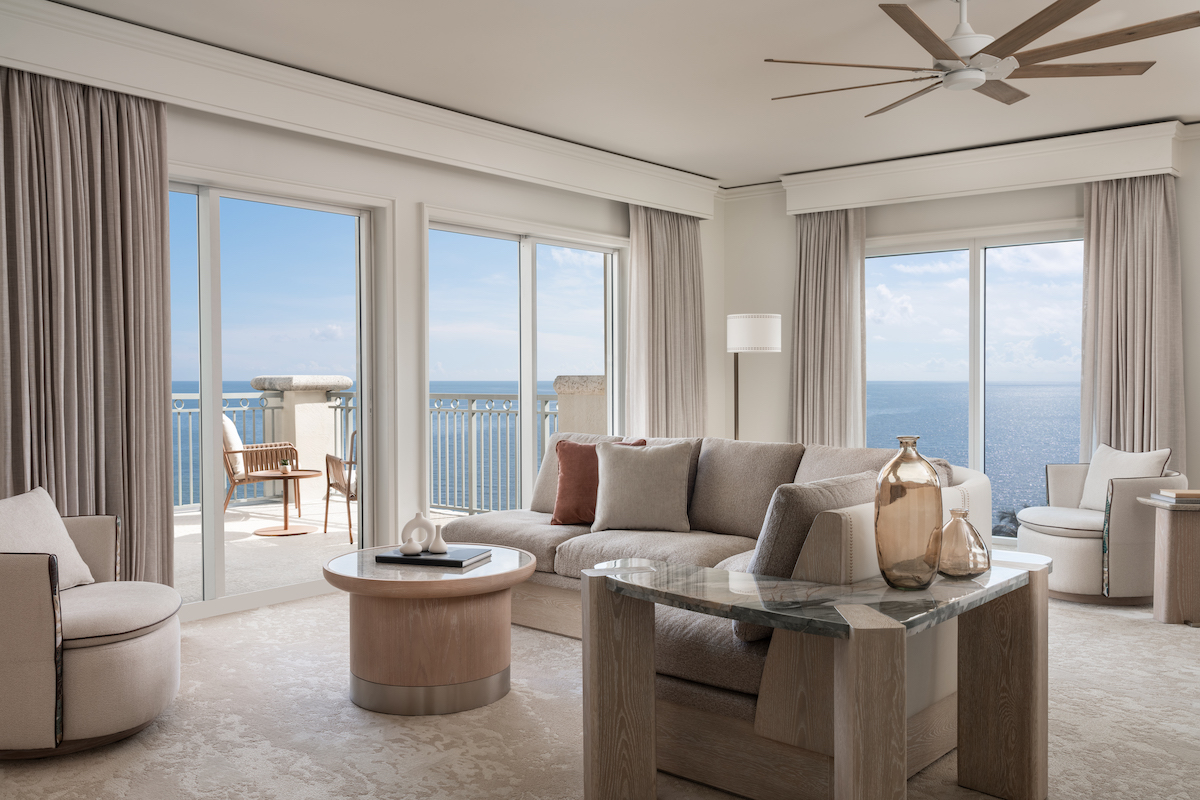
Image credit: Marriott International
Design as memory
Taken together, the new guestrooms, suites and residences form a cohesive interior landscape – one that reframes luxury as a form of emotional intelligence. History, geography and modern comfort are not layered for effect but woven into a singular experience of place.
For Sheveleva, that was always the ambition. “Design should turn space into memory,” she says. “If guests leave feeling restored, as if the island stayed with them, then we’ve done our job.”
On Key Biscayne, that sense of staying power may be the most luxurious offering of all.
> Since you’re here, why not read our edit of design hotels to visit in 2026?
Main image credit: Don Riddle